NHTSA Investigates 1.2 Million Tesla Vehicles Over Suspension Issues
The NHTSA is investigating 1.2 million Tesla vehicles after reports of suspension failures that may affect steering control.
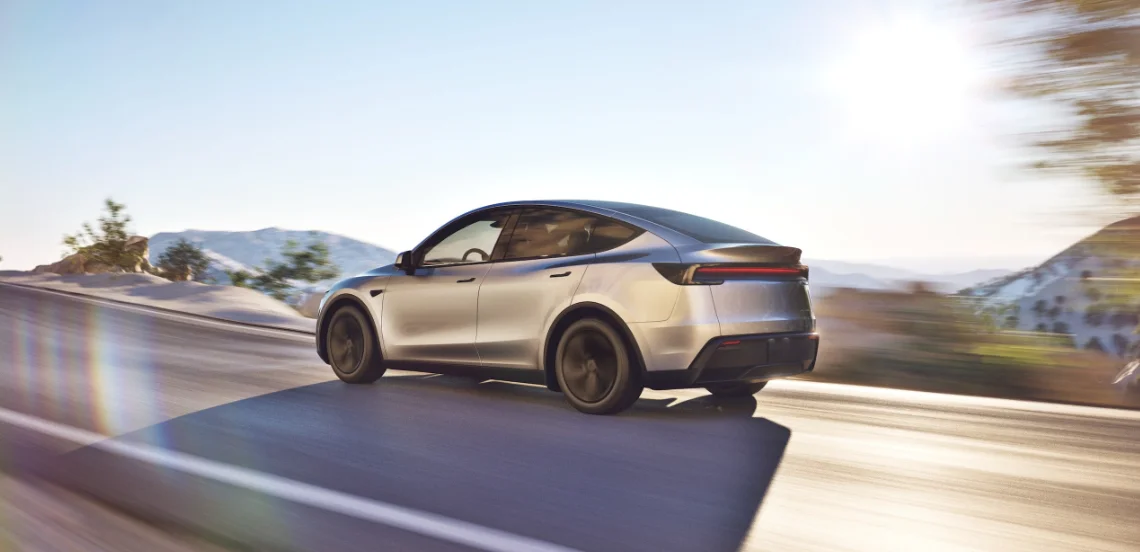
The safety of electric vehicles is once again making headlines as the National Highway Traffic Safety Administration (NHTSA) has initiated a preliminary investigation into approximately 1.2 million Tesla vehicles. This inquiry follows reports of potential suspension failures that could lead to loss of steering control and render the vehicles inoperable.
The investigation specifically targets Tesla Model 3 vehicles manufactured between 2018 and 2020 and Tesla Model Y vehicles produced from 2021 to 2023. At this point, no recall has been issued, but this initial phase of the investigation could result in a recall if the regulator determines that a safety defect exists.
This scrutiny comes as Tesla continues to expand its lineup of electric vehicles, known for their performance and advanced technology. It also emphasizes the importance of mechanical components, such as suspension and steering, in the overall safety of a vehicle, alongside batteries and electric drivetrains.
Investigation Triggered by 156 Complaints
According to the NHTSA, its Office of Defects Investigation has received 156 complaints regarding an issue with the lower front lateral link of the suspension. Owners have reported that this component may detach on certain Model 3 and Model Y vehicles involved in the investigation. Such a failure could severely impact the vehicle's handling and lead to loss of steering control.
The agency notes that this malfunction could make the vehicle unusable and necessitate towing. Most drivers reported that no warning appeared prior to the failure, although some mentioned hearing unusual noises before the issue occurred.
At this stage, the NHTSA has indicated that it is not aware of any accidents, injuries, or fatalities directly linked to the reported defect.
Tesla has yet to respond to a request for comment from Reuters following the announcement of this investigation.
This investigation represents a preliminary assessment, which is the first step in the formal process undertaken by the U.S. regulator when a potential safety-related defect is reported.
Previous Recalls
This is not the first time Tesla has faced issues related to suspension links. In 2021, the automaker recalled approximately 2,800 Model 3 vehicles due to a production problem affecting the same area of the front suspension. Two years later, in 2023, another recall involved 422 Model 3 vehicles with similar issues.
However, the NHTSA indicates that the incidents reported in the current investigation appear to extend beyond the scope of these earlier technical campaigns. The agency asserts that the new complaints do not seem directly related to the manufacturing defect identified during the previous recalls.
The aim of this new investigation is to ascertain the exact cause of the problem, its true extent within the affected vehicle population, and its severity.
This process will enable the regulator to determine whether an additional recall is necessary to rectify any design or manufacturing defects affecting the suspension.
Enhanced Vehicle Safety Monitoring
The NHTSA emphasizes that this investigation does not constitute a definitive finding of a defect. The preliminary assessment aims to gather further information to establish whether a safety risk genuinely exists.
Tesla operates in an environment where authorities closely monitor the reliability of electric vehicles, including aspects such as batteries, software, driver assistance systems, and traditional mechanical components like suspension, steering, and braking.
Reuters also reported that in 2023, the news agency indicated that Tesla had been internally tracking chronic failures affecting certain suspension and steering components for several years. According to this report, the automaker often attributed these damages to improper vehicle usage in its communications with customers and U.S. authorities.
Finally, according to data from BizzyCar, Tesla ranked seventh among manufacturers by recall volume during the second quarter, having initiated three recall campaigns affecting approximately 234,000 vehicles.
The initiation of this new investigation does not automatically imply that a recall will be decided. The NHTSA's investigations must first establish the origin of the problem, its scope, and its potential impact on driver safety before any further action is taken.
Conclusion
This preliminary investigation indicates that the NHTSA continues to review reports concerning the suspension of certain Model 3 and Model Y vehicles. At this juncture, the agency has not reported any accidents, injuries, or fatalities related to the alleged defect, and no additional recalls have been ordered. The investigations will determine if the observed incidents represent a new problem distinct from the recalls already executed in 2021 and 2023, with their findings influencing any potential regulatory actions.