Siligom: A 30-Day Real-World Effectiveness Review
A detailed review of Siligom's tire installation service, highlighting effectiveness, customer experience, and comparisons with other options in the market.
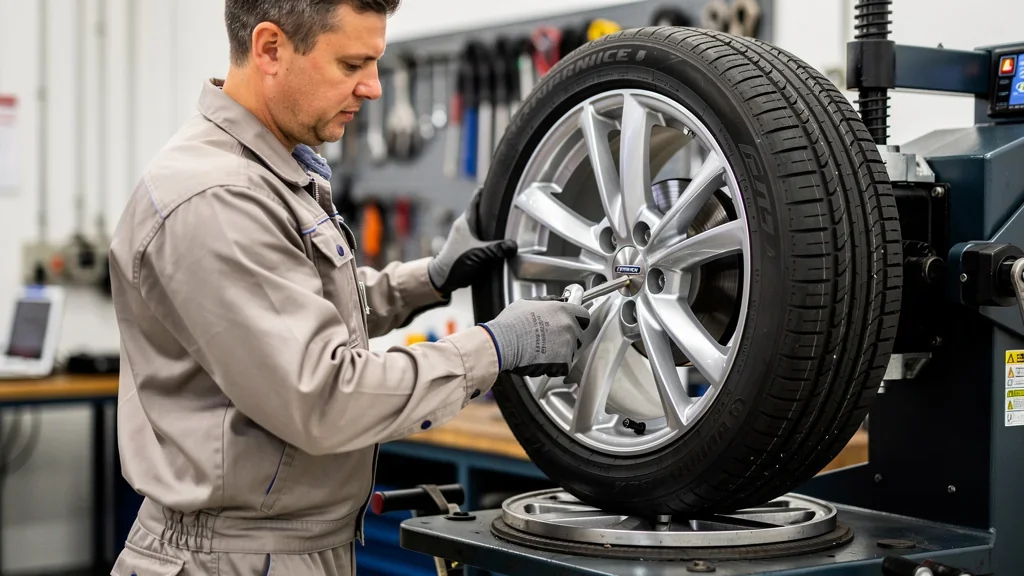
Upon exiting the Siligom center, I could still feel the steering wheel vibrating at approximately 115 km/h, accompanied by the warm scent of new rubber. My visit was for seasonal tire installation on my 2016 Toyota Corolla hybrid, and I was keen to evaluate whether the service met my expectations. As an automotive journalist for CarBling magazine, I tend to focus on the finer details rather than just the friendly reception.
Organizing My Test at Siligom
I conducted this evaluation over nine days, starting with an appointment for installation, followed by checks after 52 km and subsequent short trips. I focused on four straightforward criteria: the promised timeline, steering wheel vibration, cold pressure, and clarity of the estimate. My experience as an automotive writer has taught me that issues rarely stem solely from the tires themselves.
- I requested installation with balancing and noted whether the steering wheel still vibrated at speeds between 110 and 120 km/h.
- I monitored the cold pressure at the start and after several short trips to see if the warning light reappeared.
- I reviewed the estimate line by line, including valves, removal, recycling, and alignment when applicable.
- I drove on smooth roads and highways to assess road noise and overall behavior.
My Profile and Real-World Constraints
I drive daily, not for show, but because my car serves multiple purposes. I live with my partner, and our monthly maintenance budget is around €50. Thus, I approached Siligom from this perspective, rather than as a customer who changes tires four times a year.
I also remembered a past mistake with an oil filter that cost me €400, as I dislike paying twice for the same oversight. My driving involves a mix of country roads, short trips, and some highway use, so I keep a close eye on vibrations, pressure, and inner tire wear.
Steps and Duration of the Test
I scheduled an appointment online and left my car at the center for installation and balancing. During the first test, the technician called me back because the steering wheel still vibrated around 110-120 km/h, which I appreciated as he didn’t dismiss the issue. I returned for a recheck the same day with a simple instruction: monitor the pressure after a few trips and keep an eye on the car's behavior.
I also noted that the time spent there was reasonable for a busy season; I waited less than I would at a dealership, and I saw the technician resume his work without making me feel like a nuisance.
Observations After the Service
My initial assessment took place on a smooth road and then on a highway at 118 km/h. I noted a reduction in steering wheel tremors, but I also realized that a serious center doesn’t solve everything with a wave of a wand. When the technician showed me the removed wheel, I noticed the inner tire was nearly worn to the cord, while the outer side still looked clean.
| Point | Before | After | Notes | |-------|--------|-------|-------| | Vibration | Clear tremor at 110-120 km/h | Significant reduction after second balancing | I no longer felt the same thump in my palm | | Pressure | Warning light returned after two short trips | Stable pressure after cold recheck | No alert the following day | | Road Noise | Dull rumble on the highway | Cleaner sound | I could better distinguish the pavement from the tire | | Estimate | Somewhat vague at first | Clearer details after inquiry | I saw the small additions that raised the bill |
Results on Installation and Balancing Quality
After the second balancing, I drove 40 km without feeling the minor oscillation that had initially annoyed me. The steering wheel remained steady up to 120 km/h, convincing me on that front. However, I still had doubts about the slightly warped rim that the machine indicated after an impact I had forgotten about.
I also checked the cold pressure the following morning and after three short trips. The warning light did not come back on, reassuring me about the valve and the service quality. The dull hum had also decreased, and I eventually understood that my road noise was indeed due to uneven wear.
Positive Aspects and Challenges Encountered
One key takeaway for me was that Siligom didn’t sell me a sales pitch; the technician showed me the wheel, and I could see what he was talking about. I appreciated this approach because inner tire wear isn’t immediately visible when the car is stationary. I also noticed the center promptly addressed the balancing issue when the steering wheel still moved.
- I liked the quick handling and the recheck when the vibration persisted.
- I appreciated the demonstration with the removed wheel, showing visible inner wear.
- I noted a clearer bill after requesting details, although the small additions can add up quickly.
- I found that the quality of installation depends on the center, not just the brand.
Summary of Observations Before and After Installation at Siligom
I summarized my feedback in a table because sensations alone aren’t sufficient. I wanted to maintain a straightforward reference with concrete indicators on vibration, pressure, and noise.
| Parameter | Before Installation | After Installation | |-----------|--------------------|-------------------| | Vibration | Steering wheel shaking at 110-120 km/h | More stable steering after recheck | | Pressure | Alert returned after several short trips | Correct pressure after cold recheck | | Wear | Inner band more worn than outer | Better wear detection before leaving | | Noise | Dull rumble on the highway | Reduced noise |
Siligom Compared to Other Market Options
I compared Siligom with a dealership, an independent auto center, and a large chain. For my usage, I noticed clear differences in pricing, technical discussions, and appointment flexibility. I wasn’t looking for the perfect option, but rather a clean installation, a reasonable timeline, and a clear estimate.
I also checked their online advertising to see how the brand would follow up after my visit.
Main Alternatives Considered
I had three options in mind before visiting Siligom. The dealership appealed to me for trust, the independent center for directness, and the large chain for availability. I also looked at Michelin and Goodyear tires offered elsewhere, as I wanted to compare the range and not just the sign at the entrance.
- The dealership appeared pricier, with a polished but inflexible approach regarding schedules.
- The independent auto center seemed more straightforward, with a personal touch that can be excellent if the staff is competent.
- The large chain provided visible promotions but had varying customer experiences from one location to another.
Pricing Comparison and Perceived Quality
I compiled the figures I encountered into a simple grid, as pricing can quickly become a contentious point. I found costs ranging from €15 to €30 per wheel for installation and balancing, with sets of tires in the €300 to €500 range for mid-tier options. Alignment, when added, typically costs an additional €60 to €100.
| Option | Perceived Price | Timeline | Perceived Quality | My Impression | |--------|----------------|----------|------------------|---------------| | Siligom | €15 to €30 per wheel | A few days off-season, longer before winter | Good on the second visit | I keep the brand in mind for a simple installation | | Dealership | Higher than Siligom | Tighter time slots | Clean work | I consider it for warranty-covered vehicles | | Independent Auto Center | Generally slightly cheaper | Variable by workshop | Very good if the team is qualified | I might return if the staff is known | | Large Chain | Visible promotions, but check the final bill | Easier appointments | Quality varies by center | I remain cautious about the estimate |
What I Would Have Done Differently and Advice Based on Your Profile
I would have asked for the estimate details right from the start, rather than waiting for the final bill. I would also have insisted on an immediate recheck if the vibration returned upon my return, as a shaking steering wheel at highway speeds is never trivial. I returned home to Poitiers with a simple idea: a good experience at Siligom means a clean installation, precise balancing, and a readable bill.
For a driver who doesn’t cover much distance, I found Siligom reasonable if the estimate remains straightforward and if all-season tires suit the usage. For my partner and me, without additional dependents, the price makes sense when I don’t want to compromise safety for a €20 savings. Conversely, if you’re torn between winter and summer tires, I recommend checking the actual weather rather than the current advertisements.
For someone seeking high-level service, I find that Siligom’s quality heavily depends on the specific center. When I want in-depth advice, I prefer a workshop that speaks frankly about alignment, balancing, and inner wear without pushing me toward an excessive package. I have previously been frustrated by vague bills, and I have no desire to repeat that experience.
For a regular driver looking for efficiency, I appreciated the transparency when the team took the time to show me the wheel. I also saw that services like walk-in appointments, free diagnostics, 24/7 assistance, and towing can be significant, especially when you just want to get back on the road. Ultimately, I consider Siligom a solid option for a straightforward installation, but I remain cautious whenever the bill increases with valves, removal, recycling, or alignment.
Common Mistakes and Surprises Discovered at Siligom
I quickly realized that the pitfalls did not only stem from the installation itself. I also identified minor reading errors, both in my case and among other clients, which can quickly lead to a shaking steering wheel or dropping pressure.
- I learned not to drive right away without checking cold pressure.
- I understood that a slight vibration after balancing warrants an immediate recheck.
- I noticed that changing tires without checking inner wear allows for nearly worn-out tires to slip through.
- I recognized that torque and rechecks are just as crucial as installation.
Frequent Mistakes to Avoid
I once found myself believing that a noise originated from the road, only to discover that the tire was unevenly worn. I’ve seen this same mistake with others, where a balancing weight fell off after a few kilometers. When I ignore such signals, I end up paying in time and frustration.
Now, I always check the inner tire band when turning or when the wheel is removed, as the outer side can be misleading. I also keep an eye on the pressure warning after several short trips since a worn valve will show there. I learned these lessons the hard way, and I do not wish to repeat them.
Small Surprises and Frictions in Use
I was pleasantly surprised when the technician showed me the inner wear instead of merely suggesting a blind replacement. I experienced minor friction when the estimate inflated with removal, valves, and recycling charges. I also noticed marks on aluminum rims and poorly replaced covers at other centers, which made me wary about the final care.
Additional Services at Siligom and Their Real Impact
At Siligom, I discovered a range of services that extend beyond simple tire changes. I encountered free diagnostics, maintenance packages, pre-technical checks, vehicle oil changes, 24/7 assistance, towing services, and storage options, along with financing solutions. These additional offerings can significantly enhance the overall customer experience and provide peace of mind for vehicle owners.