
Summer Exodus 2026: Up to 16 Million Cars on the Move
As August begins, millions of drivers will embark on journeys during the intense Summer Exodus 2026, with traffic expected to peak at 16 million vehicles on Italian highways.
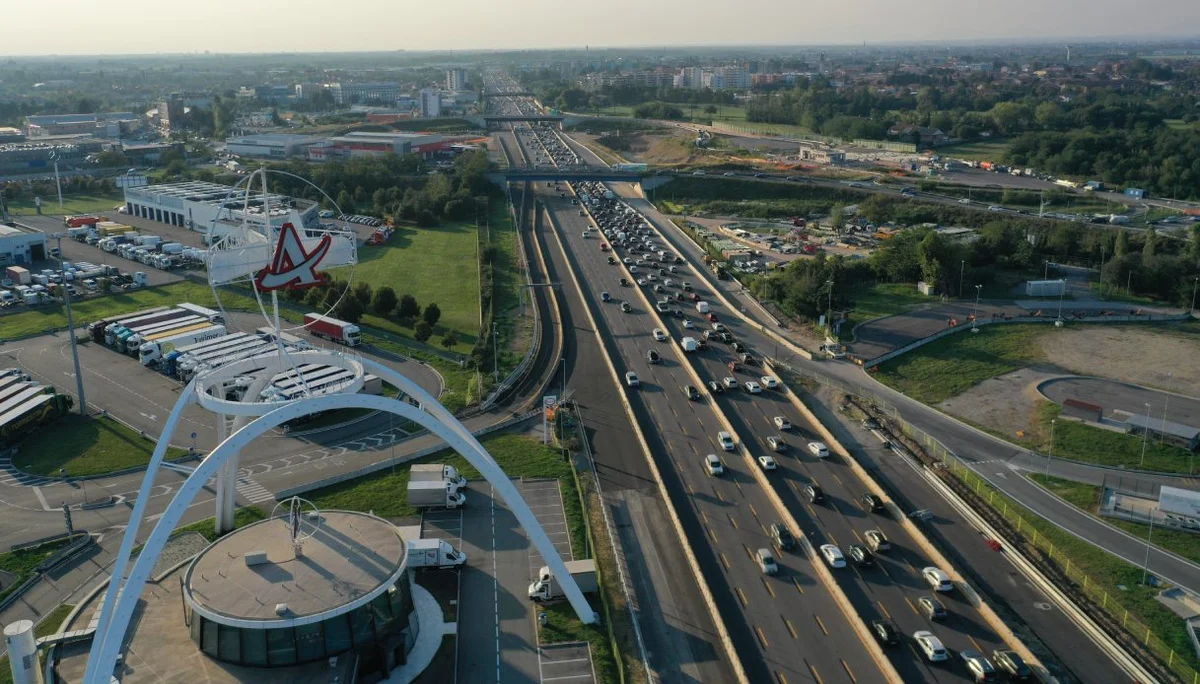
As August begins, the Summer Exodus 2026 officially kicks off, marking one of the busiest travel periods of the year for Italian highways. Millions of drivers are set to embark on journeys toward coastal, mountainous, and tourist destinations, creating significant traffic congestion.
According to estimates from Autostrade per l’Italia, approximately 16 million vehicles are expected to traverse the roughly 3,000 kilometers of highways managed by the group during the two busiest weekends in early August. To manage the surge in traffic, a comprehensive plan has been implemented, which includes halting major construction projects and continuous monitoring of traffic conditions.
Anticipating Traffic Peaks
Initial increases in traffic are expected in the final days of July, but the main exodus will commence on Saturday, August 1, when thousands of families leave major Italian cities. The peak traffic period is anticipated to occur the following weekend, from August 7 to 9, when the highest number of departures towards tourist destinations will take place.
In the latter half of the month, focus will shift to the return traffic, with urban centers seeing an influx of returning travelers, particularly during weekends.
Most Congested Highways
As is customary each summer, several key national routes will experience the heaviest traffic. The most affected stretches include:
- A1 Milano-Napoli, the main connection between Northern and Southern Italy.
- A14 Bologna-Taranto, frequently used by those heading to Adriatic coastal areas.
These routes are expected to see the highest concentration of traffic during the red alert days.
Construction Halt to Minimize Delays
To alleviate potential disruptions for drivers, Autostrade per l’Italia has devised an extraordinary traffic management plan. The principal measure involves the suspension of the most impactful construction projects, ensuring that as many lanes as possible remain open during peak traffic times.
Maintenance work will gradually resume in the first half of September, once the busiest phase of the summer return traffic concludes.
Real-Time Monitoring Through Technology
Traffic management during the exodus will be enhanced by a monitoring network spread throughout the highway infrastructure. This system includes around 5,000 cameras, with nearly 3,000 installed in tunnels, in addition to 900 sensors for traffic flow detection and 400 weather stations.
These tools enable operators to monitor traffic conditions in real time and respond swiftly to incidents, slowdowns, or other issues.
Ensuring Safer Travel During the Exodus
The aim of the plan for Summer 2026 is to facilitate smoother traffic flow during one of the year's busiest travel periods. Despite the enhancement of services and the suspension of major construction, those traveling during the critical days should still anticipate potential delays on the most frequented routes. Staying informed about traffic conditions before departure and planning journeys in advance remains the best strategy for navigating the summer exodus safely and minimizing travel time.