The Open Window Dilemma: Air Conditioning vs. Fresh Air on the Highway
Driving with the windows down on the highway might seem like a fuel-saving strategy, but a recent experience reveals the drawbacks of this habit compared to using air conditioning. Discover the insights gained from a journey in a Toyota Corolla.
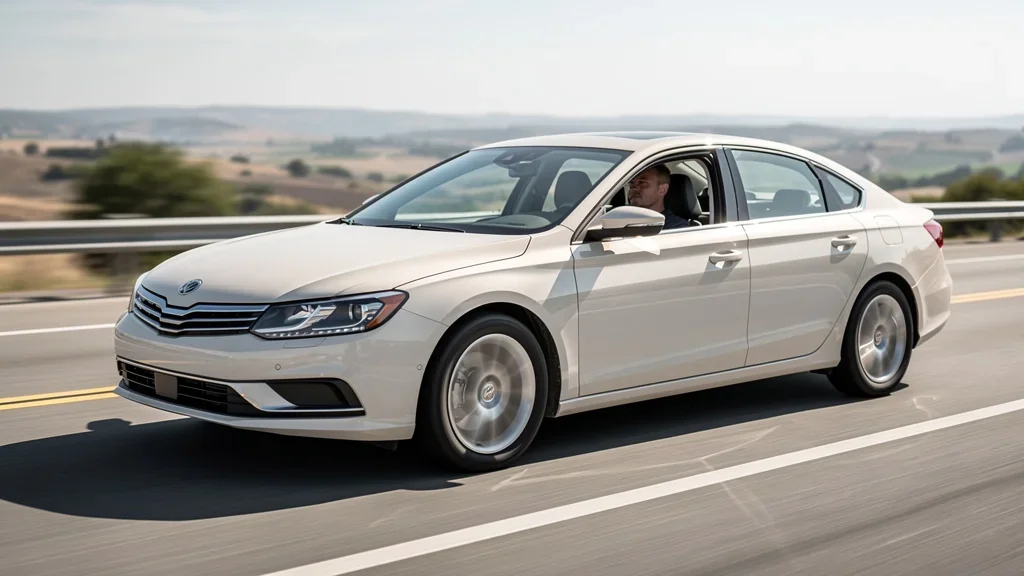
Driving with the windows down on the A10, I felt the air hit my face in my Toyota Corolla one August evening around 7:40 PM. Initially, I thought I was making a smart choice, but just 12 minutes in, the roaring wind became overwhelming. I quickly realized that my confidence was misplaced, and I found myself exhausted with the radio cranked up too loud. It became clear who could still benefit from this habit and who should stick to air conditioning without question.
The Initial Belief: Saving Fuel and Staying Cool
As an automotive writer for CarBling magazine, I had long held the belief that driving with the windows down would help save fuel and keep me cooler. I frequently travel on highways, and with my partner, who has no children, I prioritize simplicity, practicality, and cost-effectiveness. I operated under the assumption that fresh air would prevent me from relying on the air conditioning unnecessarily. Like many drivers, I was wary of the blue button, equating it with wasted money.
I had heard similar sentiments echoed in the cars of friends. The idea was that direct airflow was immediate, without the wait or energy consumption associated with a running compressor, thus conserving fuel. On paper, it seemed reasonable. I figured that as long as I opened the windows just a crack, the cabin would remain bearable. I envisioned myself cruising along without the cold blast of air conditioning hitting the back of my neck.
I initially dismissed air conditioning, believing it to be too fuel-hungry. I thought about simple ventilation, slightly cracked windows, and only using the AC in extreme heat. I maintained this approach even in my hybrid Corolla, which tolerates small errors but not bad habits. With my partner onboard and no extra mouths to feed, I was meticulous about comfort, convincing myself that fresh air was the best compromise.
However, through my work as an automotive writer, I noticed many drivers shared this misconception. The issue lies in confusing immediate sensations with true long-term comfort. While opening windows in the city might work, I eventually realized that the scenario changes drastically on the highway, and my initial plan quickly fell apart. It was uncomfortable and not sustainable.
The Moment of Realization: Noise, Fatigue, and Fuel Consumption
At 120 km/h, with just one front window open, I felt the buffeting air pounding against my head like a dull hammer. The regular airflow caused my head to vibrate slightly, and within 20 minutes, my jaw was already tense. The noise wasn’t merely loud; it was chaotic and irregular, accompanied by a whistling sound that came in waves. I was struck by a seemingly trivial detail: the steering wheel felt slightly pulled from the side wind. At that point, I was no longer comfortable; I was battling the air.
I thought I was saving a few cents, but soon realized I was mistaken. Over a 312 km journey, I recorded fuel consumption of 7.2 liters per 100 km with the windows down, compared to 6.5 liters per 100 km with the air conditioning set to a gentle level. That meant I used 1.3 liters more with the windows open, and I could no longer ignore the figures. I found myself in a noisier, more tiring environment without any fuel savings. What seemed like a clever plan at the gas station fell apart on the road.
Other limitations hit me unexpectedly. At 130 km/h, the wind became harsh and dry, causing eye irritation and headaches. Having just one window open amplified the turbulence, and opening two windows didn’t help much; it merely changed the type of noise. The windshield also accumulated insects and dust more quickly, and I ended up with the lingering smell of diesel from passing trucks. The warm air that circulated from the back window didn’t cool the cabin; it just stirred the heat.
The real turning point came during a trip with my partner on a Saturday in June after 90 km of highway driving. We arrived feeling drier and tenser, without the comfort I had anticipated. I aimed for simplicity but ended up with a cacophony of noise, heat, and fatigue. I returned home with a stiff neck, realizing that driving with the windows wide open was futile at higher speeds.
Three Weeks Later: Discoveries with a Stabilized Air Conditioning
Eventually, I set the air conditioning to 23 degrees with a gentle airflow and a clean cabin filter. I replaced the filter for 47 euros, and I immediately noticed the difference. The air was no longer harsh; it was steady, allowing for conversations without shouting. The contrast with open windows was stark, as the cabin no longer experienced those abrupt, chaotic gusts of air. This change transformed my long highway drives in the Toyota Corolla.
Fatigue decreased significantly. There was no longer a constant noise assaulting my ears, no wind irritating my eyes, and no heavy head after 30 minutes of straight driving. I also stopped finishing trips feeling drained for no reason. In the mornings, when I drive early, the comfort is more consistent, and I keep my shoulders relaxed. It’s not dramatic, but it’s noticeable, and it matters when you spend the day behind the wheel.
What many overlook is the impact of aerodynamic drag. At stabilized speeds, an open window forces the air to push against the vehicle, while a well-adjusted AC compressor isn’t always the fuel guzzler we imagine. The engine copes better with gentle air conditioning than with constant turbulence that slows the car down. In practice, I found that the fuel costs less when air circulates smoothly inside the cabin than when it fights against the bodywork. That’s where my perspective shifted—not from a spreadsheet, but from the driver’s seat.
Since then, I’ve established a simple habit: open windows in the city or on short stretches to cool down at the start. I switch to air conditioning once I exceed 90 km/h, maintaining a moderate setting without a blast of cold air directly in my face. For short trips, fresh air still has its merits. But on the highway, I abandon that instinct and keep the car calm. It’s less dramatic, but the results are more consistent.
Who Benefits and Who Doesn’t
FOR WHOM IT WORKS: I would recommend this approach to city drivers making short 8 km commutes, couples mostly driving on country roads at 70 km/h, and those willing to close the windows at 90 km/h. It also suits budget-conscious individuals looking to cool down quickly after parking without seeking ultimate comfort. In these cases, open windows make sense, as fresh air does the job quickly and without heavy noise.
FOR WHOM IT DOES NOT WORK: I advise against it for those who tackle 180 km of highway in one go, noise-sensitive individuals, and those who think opening just one front window will solve the issue. It’s also not ideal if you haven’t replaced a cabin filter in months, as odors and dust can ruin the journey. For a loaded vehicle, tired passengers, or oppressive heat, gentle air conditioning wins hands down.
In conclusion, in my Toyota Corolla, I keep the windows down in the city and switch to air conditioning as soon as the road speeds up. For someone willing to close the windows at 90 km/h, invest 47 euros in a clean cabin filter, and seek stable air, I choose air conditioning without hesitation. If you want tranquility, less fatigue, and a cleaner cabin, it’s the AC that prevails, not the wide-open window on the A10.