Two-Thirds of Stellantis Plants in Europe Equipped with Solar Power Stations
Stellantis accelerates the adoption of renewable energy solutions in its European manufacturing network, advancing towards its long-term carbon neutrality goal.
Stellantis is accelerating the implementation of renewable energy production and storage solutions in its European manufacturing network, moving towards achieving its long-term goal of carbon neutrality.
Stellantis's European manufacturing sites now source 68% of their electricity from renewable sources. The company aims for its own electricity consumption at its facilities to reach 31% of the total energy consumed at European plants by 2026, with leading factories planning to achieve a figure of 80%.
Stellantis's approach to energy consumption management is supported by a robust management system, with 89% of its European manufacturing sites certified under the ISO 50001 standards for energy management.
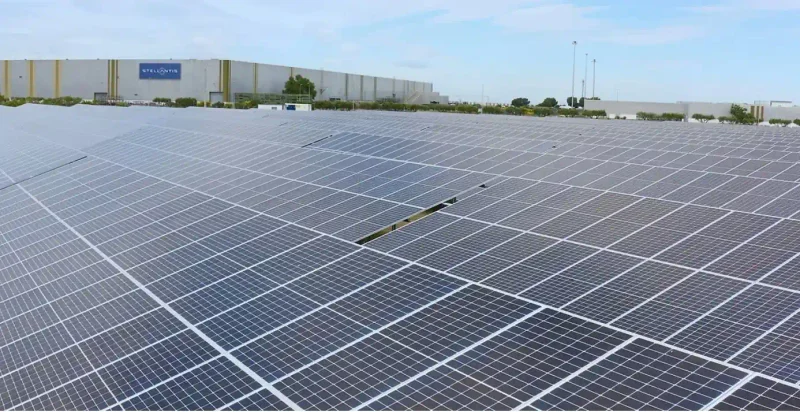 Expansion of photovoltaic system installation projects at its own sites across Europe.
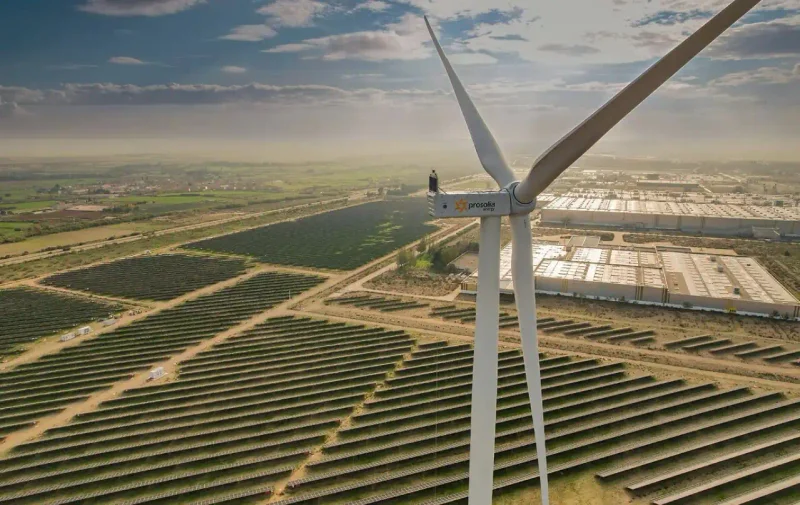
To date, photovoltaic system installation projects have been completed or are underway at 27 Stellantis manufacturing sites in Europe, representing over 500 MW of installed capacity. At sites such as Tychy (Poland), by the end of 2026, self-consumption could reach around 60%. In Zaragoza (Spain), where a hybrid system combining photovoltaic energy and on-site wind turbines is already operational, self-consumption could rise to 80%. It is expected that once fully operational, these systems will help avoid CO₂ emissions of more than 100,000 tons per year.
 Implementation of battery energy storage systems to optimize energy consumption and balance the energy grid.
Alongside the deployment of photovoltaic systems, Stellantis is implementing battery energy storage systems (BESS) to further optimize energy consumption and maintain grid stability at its manufacturing sites.
The BESS program will cover 20 manufacturing sites across Europe, with a total installed storage capacity of about 200 MWh, and will be implemented in two phases. The first phase is already at an advanced stage, with BESS systems expected to be operational at seven facilities by 2026, while deployment at the remaining sites is planned to be completed within three years.
They are managed by advanced energy management systems (EMS) that dynamically optimize battery operation based on energy availability and demand, enhancing overall efficiency. At power plants equipped with photovoltaic generation installations, energy storage systems also maximize self-consumption of solar energy by storing excess energy.
Additionally, these installations can provide services for power grids in collaboration with local grid operators, helping to maintain grid stability by adjusting consumption as needed. At the Stellantis Madrid site in Spain, a battery energy storage system is already operational and serves as a pilot plant for scaling and standardizing this solution.
By combining renewable energy production with energy storage systems, Stellantis reaffirms its commitment to sustainable manufacturing, reducing CO₂ emissions, and enhancing energy resilience while mitigating exposure to energy market volatility.
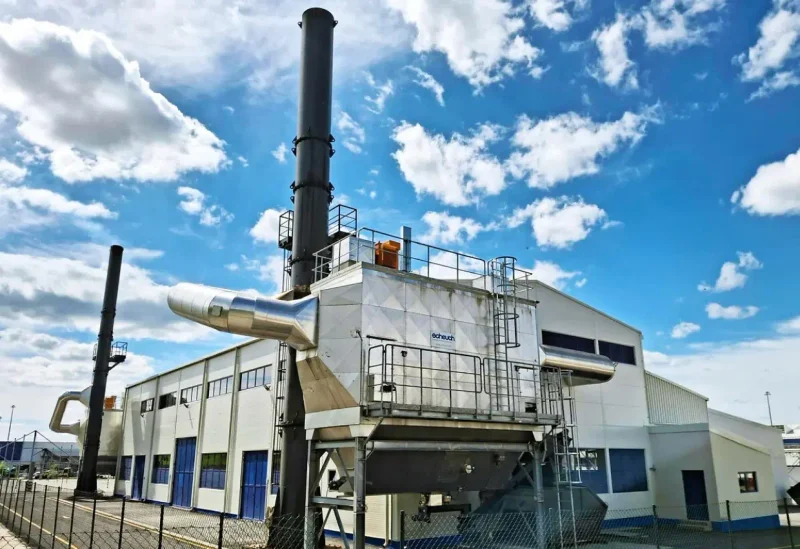
Diversification of the energy mix to enhance resilience and competitiveness.
These initiatives complement other energy contracts and decarbonization measures already launched by Stellantis as part of its global operations. Together, they represent a concrete step towards long-term industrial sustainability and reflect the company’s broader approach to energy transformation, which combines energy efficiency with the implementation of decarbonization solutions across its manufacturing base.
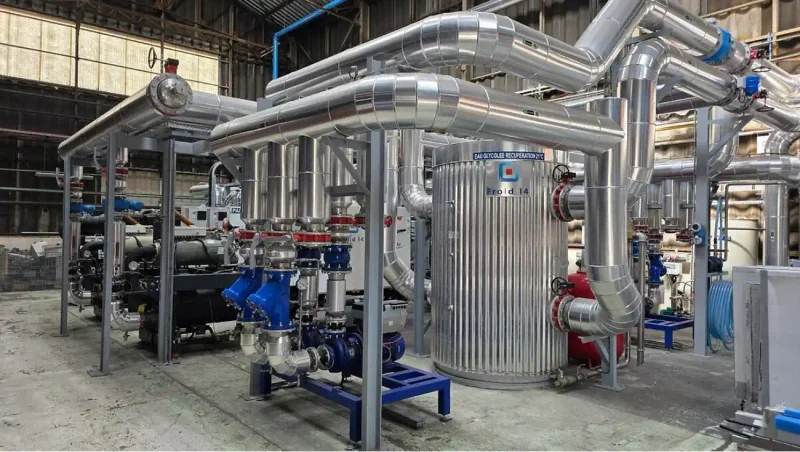
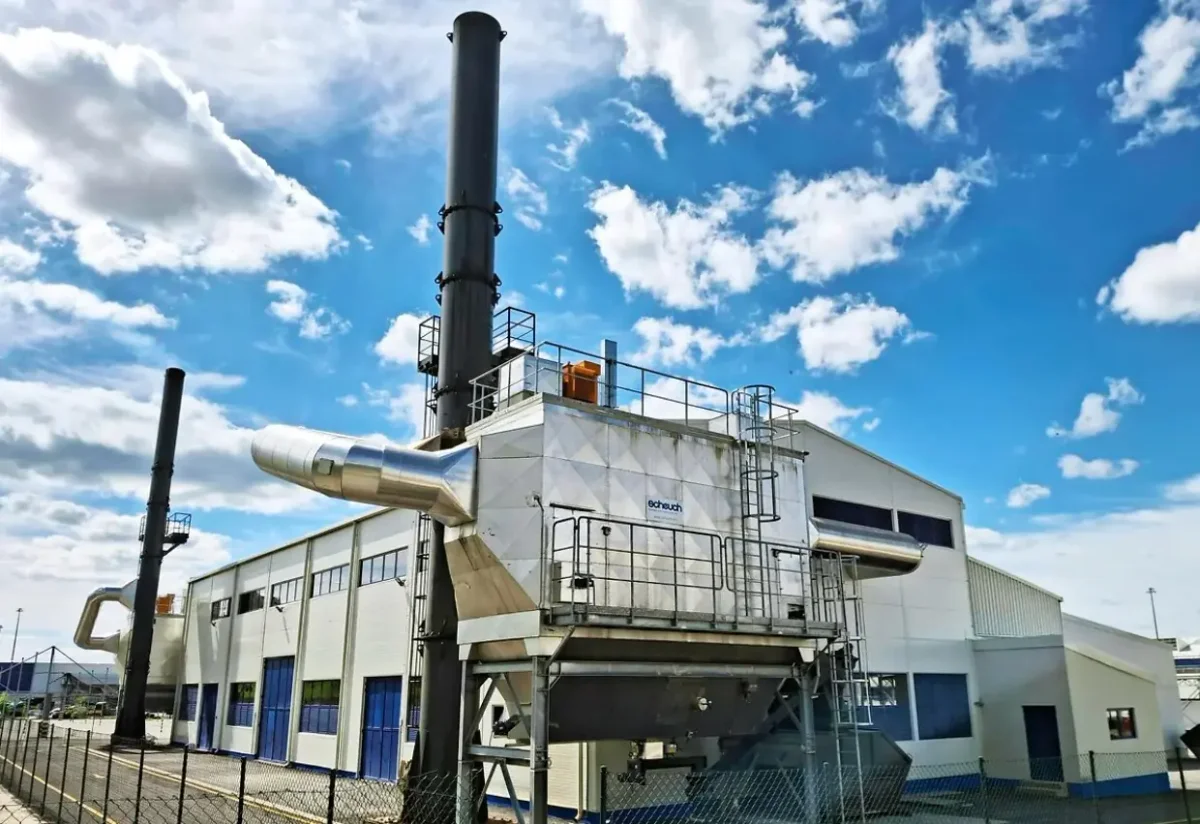
Furthermore, Stellantis is expanding the use of geothermal energy as a low-carbon solution for industrial heating and cooling. The geothermal installation at the facility in Caen, France, commissioned last year, is the first of its kind for Stellantis and one of the first industrial applications of this technology in the country. The system provides renewable heat for buildings and cooling for industrial processes, allowing the facility to autonomously cover about 30% of its energy needs.
At several manufacturing sites, biomass solutions are also being implemented to reduce carbon dioxide emissions from industrial heating. These include Rennes (France), where a zero-carbon heating network based on local biomass was launched in 2025, as well as Sochaux and Vesoul (France), Trnava (Slovakia), and Kragujevac (Serbia), where biomass-based solutions have recently started operating.