
Understanding Central Locking Failures: Causes, Solutions, and Costs
Central locking system failures account for 18% of automotive electrical issues. This article discusses causes, solutions, and repair costs.
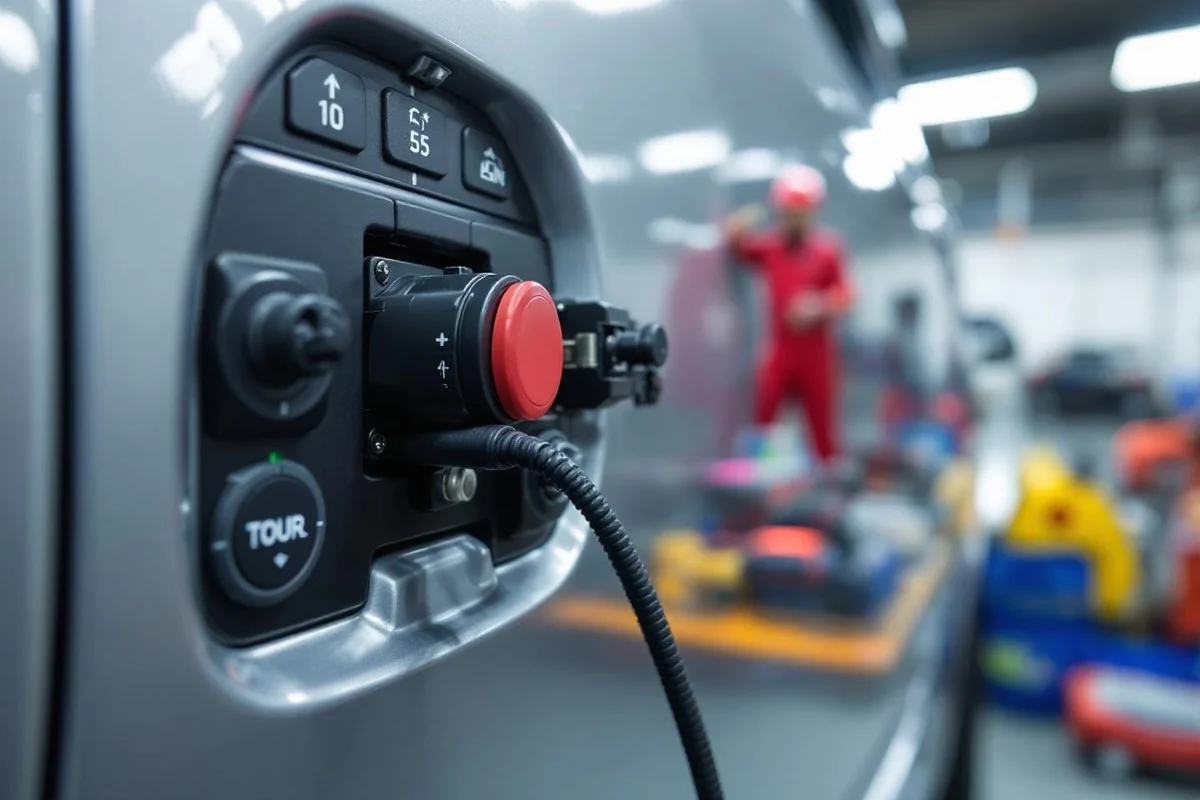
Central locking systems are integral to modern vehicles, enhancing both security and convenience. However, when these systems malfunction, they can lead to significant inconvenience and safety concerns. According to a recent study by the Automotive Professionals Association, approximately 18% of automotive electrical failures are attributed to issues with central locking systems. This article explores the common causes of these failures and provides guidance on how to address them effectively.
Electrical Components Behind Failures
One of the primary culprits for central locking failures is faulty electrical wiring. Connections may deteriorate due to moisture, thermal fluctuations, or general wear and tear. It is advisable to inspect each connection carefully for signs of characteristic green oxidation. A thorough visual inspection often reveals exposed wires or loose connectors that disrupt electrical signal transmission.
Moreover, the condition of the vehicle's wiring harness should not be overlooked. Micro-cracks, which can be invisible to the naked eye, may interrupt the circuit. For effective cleaning of corroded contacts, it is recommended to use a fine metal brush along with a specialized cleaning product. After cleaning, it is crucial to ensure that each connection is securely repositioned for optimal conductivity.
Diagnosing Control and Power Mechanisms
Power supply issues are often the first area to investigate when diagnosing central locking problems. A battery with a charge below 12 volts will not provide sufficient power for the actuators to function properly. We routinely measure voltage using a digital multimeter to establish an accurate diagnosis. If a weakness is detected, we either recharge the battery or replace it if it has surpassed its average lifespan of four years.
Fuses play a critical role in protecting the electrical circuit. Locating the fuse box is done by consulting the vehicle's technical manual, followed by a visual inspection of each relevant fuse. A broken filament clearly indicates that a replacement with a component of the same amperage is necessary. It is essential to match the amperage precisely, as an undersized fuse will fail quickly, while an oversized fuse will not provide adequate protection.
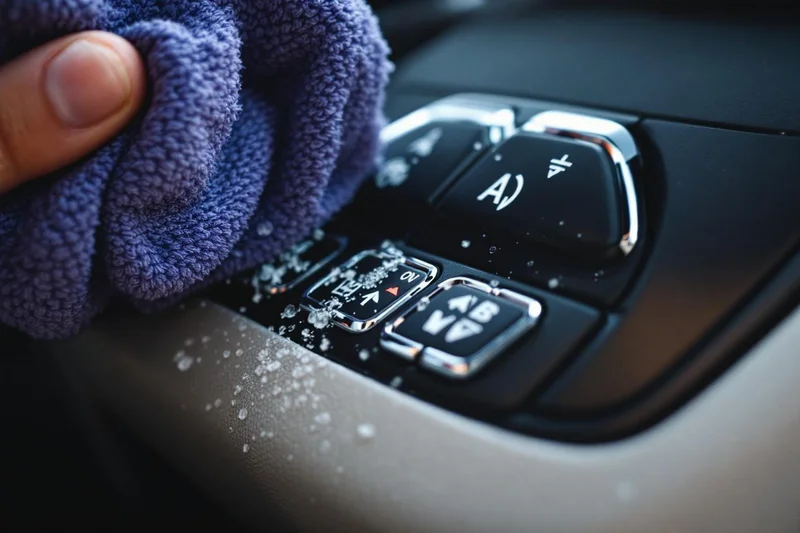
Daily use can wear down control buttons, leading to gradual deterioration. Cleaning these components with isopropyl alcohol on a cloth can eliminate greasy residues and accumulated dust. This simple task often resolves intermittent contact issues.
| Faulty Component | Required Action | Average Duration | |----------------------------|-------------------------------------|-------------------| | Weak Battery | Recharge or complete replacement | 30 to 60 minutes | | Damaged Fuse | Substitute with identical model | 10 to 15 minutes | | Oxidized Contacts | Cleaning and repositioning | 45 to 90 minutes | | Stuck Lock | Specific lubrication | 20 to 30 minutes |
Interventions on Locks and Door Mechanisms
It is common to encounter situations where locking mechanisms become stiff and unresponsive to electrical impulses. This stiffness typically arises from a lack of lubrication or dirt accumulation within the internal mechanism. We apply a specialized graphite lubricant designed for automotive locks, steering clear of oil-based products that attract dust. The process involves injecting the lubricant through the keyhole and actuating the system multiple times to distribute it evenly.
If lubrication does not resolve the issue, we may need to consider a complete lock replacement. This technical intervention requires removing the door panel and delicately handling the control rods. It is vital to select compatible replacement parts to ensure seamless operation.
Financial Evaluation of Repairs
A realistic budget estimate is essential for anticipating repair costs. Replacing a battery typically ranges from fifty to two hundred euros, depending on the brand and required capacity. In contrast, the cost for fuses remains minimal, with a complete assortment priced under ten euros at most specialty stores. These components often present the most economical solutions when they are the source of the failure.
Repairs involving electrical wiring demand more expertise and time, with costs estimated between fifty and two hundred euros based on the extent of the damage and accessibility of the affected areas. Replacing control buttons incurs intermediate costs of fifty to one hundred fifty euros per component, including parts and labor. Lastly, we find that changing a complete lock is the most expensive intervention, with prices ranging from one hundred to three hundred euros, inclusive of labor. It is advisable to request multiple quotes from qualified professionals to compare services and obtain the best value for money.