Volkswagen ID.3 Neo: Is It Finally Mature?
Volkswagen's ID.3 Neo represents a significant evolution in the electric compact segment, addressing previous criticisms and enhancing user experience while maintaining competitive pricing.
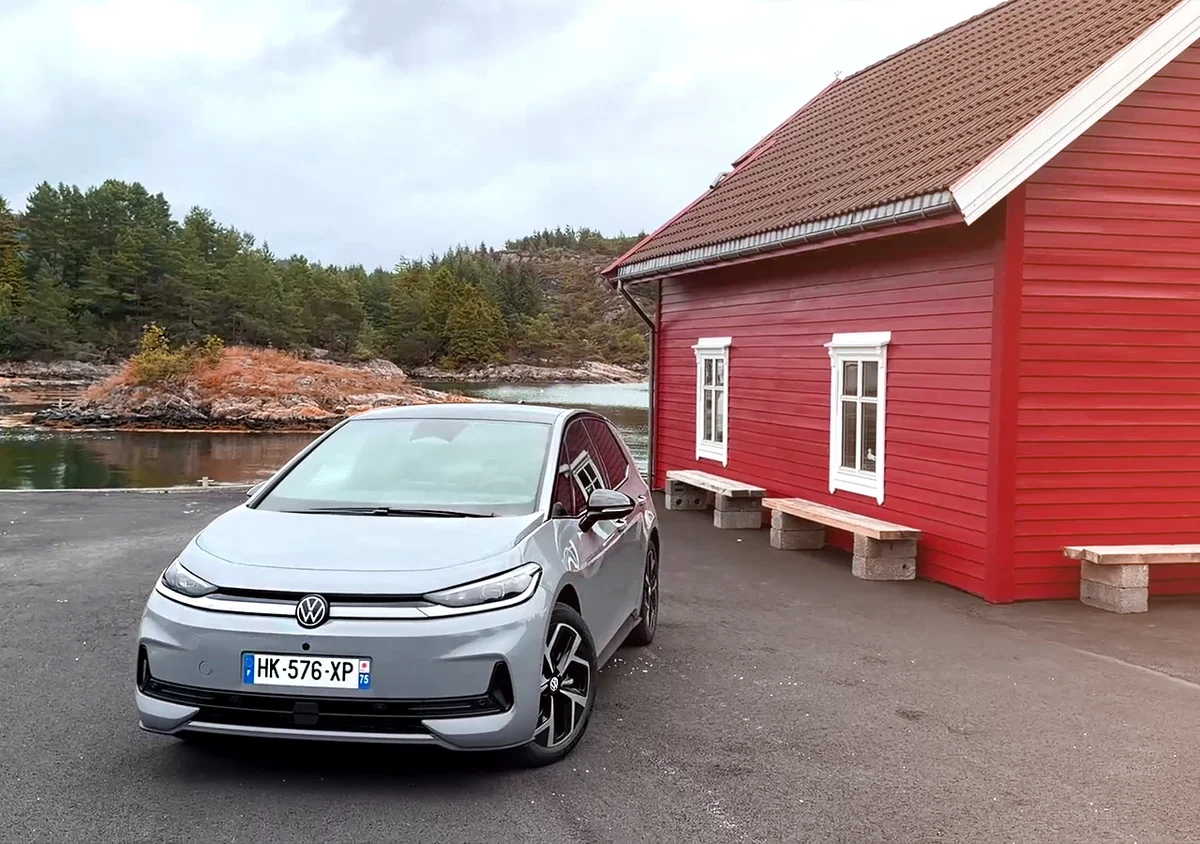
In 2020, Volkswagen introduced the ID.3 with high expectations, aiming for it to be the spiritual successor to the Golf in the fully electric segment. This launch was part of a broader strategy to move past the diesel scandal and focus on the vehicles of the future. Despite its technical capabilities at the time, early models faced criticism from consumers regarding their build quality, ergonomics, and a multimedia system that often fell short of expectations.
After a facelift in 2023 that provided a more refined aesthetic without major changes, Volkswagen appears to have found the right formula in 2026 with the introduction of the ID.3 Neo. This new iteration is seen as a more mature, coherent, and user-friendly vehicle. Could this ID.3 Neo finally be the rational choice in the electric compact segment?
Subtle Yet Welcome Evolution
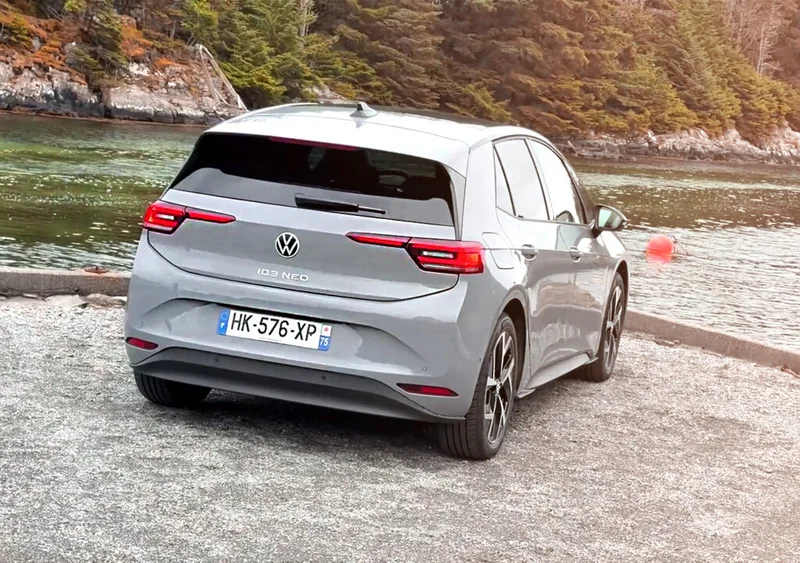
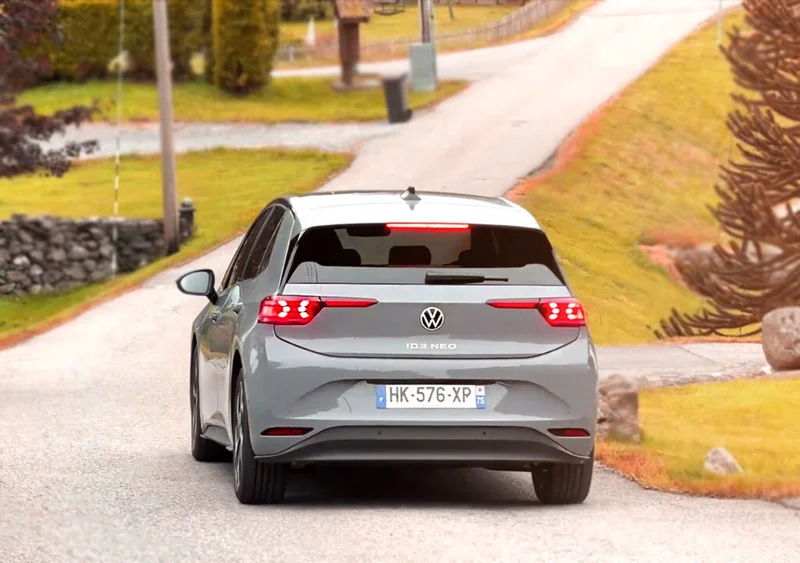
At first glance, the ID.3 Neo does not dramatically alter its design language, but the improvements make a significant difference. The redesigned front end aligns better with the styling of the ID Polo, featuring a stretched LED strip on certain versions, a design Volkswagen refers to as “Pure Positive.” Additionally, the body color now extends to the upper hatch panel, the roof, and the windshield pillars, giving it a more serious appearance. Volkswagen seems to have moved away from its earlier attempts at a quirky futuristic style, resulting in a more understated and conventional look that aligns with the brand's identity.
Interior Improvements Address Past Mistakes
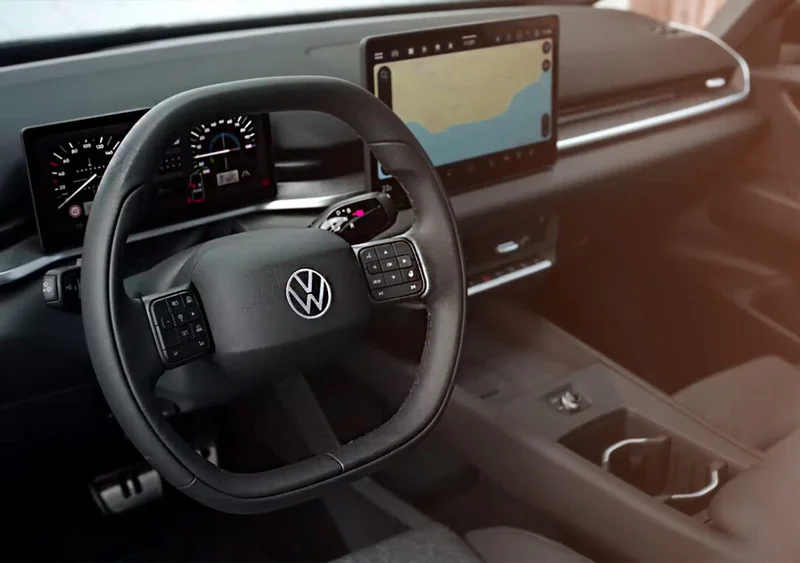
The advancements become particularly evident inside the vehicle. The updated interior closely resembles that of the new ID Polo, with a nearly complete overhaul of the cabin layout that includes a more upscale dashboard, higher-quality materials, and significantly improved ergonomics. Physical controls have made a comeback, with the steering wheel now featuring a backlit logo and tactile shortcuts positioned beneath the screen for easier access. The new infotainment system, combining Android Automotive with Volkswagen's proprietary software, offers a user-friendly experience.
The overall impression is one of enhanced logic and sophistication, reflecting Volkswagen's responsiveness to customer feedback.
A Compact Designed for Everyday Use
The ID.3 Neo embodies the German reliability that has long been a hallmark of the brand, focusing on comfort, ease of driving, and effective sound insulation. Notable changes include independent window controls, reverting to a more straightforward design without the previous quirky button for rear windows.
The introduction of a One Pedal driving mode, along with two energy regeneration settings, adds to the driving experience. The spacious interior remains a reference point in its class, thanks to a platform dedicated to electric vehicles, while the 383-liter trunk, configured over two levels, is family-friendly. However, the high loading threshold may be a drawback for some users.
Up to 630 Kilometers of Range
During testing in Norway, the ID.3 Neo with a 58 kWh battery was evaluated. This mid-range option is rated for 478 km of range under WLTP standards, with real-world performance yielding approximately 400 km—sufficient for most users and capable of serving as a primary family vehicle. The larger 79 kWh battery, which offers 629 km of WLTP range, does come at a premium, adding significant cost. However, the ID.3 Neo stands out among electric compacts for its range capabilities. I recorded a consumption of 15.5 kWh per 100 km, suggesting the potential for around 520 km with the larger battery, making it suitable for both urban and highway driving.
Slight Decline in Charging Speed
However, there is a minor drawback to consider. The ID.3 Neo maintains a rapid charging capability with a maximum output of 183 kW for the 79 kWh version, which is slightly lower than the 200 kW offered by the previous ID.3 model. This decrease is noticeable, especially since the smaller battery versions also see a reduction in maximum charging power.
Is this a significant issue? Not necessarily. Under ideal conditions, Volkswagen claims that charging from 10% to 80% takes about 30 minutes, comparable to the previous model. The efficiency has been adjusted to ensure that charging times remain consistent, although it is uncommon for a new generation to regress in a technical aspect, which is worth noting.
Competitive Pricing for the Features Offered
Another pleasant surprise with the ID.3 Neo is its pricing strategy. Volkswagen has set the starting price at €34,990 for the entry-level model, which may seem high initially. However, this is a decrease of around €3,000 compared to the launch price of the original ID.3 in 2020, despite the inflation and numerous enhancements made over the years. The new model is now more competitively positioned against rivals like the Renault Mégane E-Tech, Kia EV3, and Tesla Model 3.
It's crucial to consider government incentives not reflected on the configurator. The entry-level model with the smaller battery could be priced around €28,450 for most buyers, or even €25,850 for lower-income households. Our test version, featuring the higher trim and 58 kWh battery, exceeds €39,000 after applying all available subsidies, a fair price compared to direct competitors given its specifications.
A Vehicle That Has Finally Reached Maturity
Ultimately, this test reveals that Volkswagen has shifted its approach with the ID.3, moving away from the notion of a futuristic, quirky vehicle to a more sensible, classically German compact. The company seems to understand that an electric compact does not need to be flashy or unconventional to be appealing; it should prioritize comfort, build quality, and efficiency for everyday use.
The ID.3 Neo addresses most of the shortcomings that hindered its predecessor from fully embracing the legacy of being the electric Golf. It retains the strengths of its foundation, such as a solid platform, commendable road handling, and impressive range.
In essence, the ID.3 Neo may not represent a revolution, but rather a maturation process. This evolution is likely the best outcome Volkswagen could have achieved for this model.