
Volvo EX60: A Substantial Revolution in the D Segment
With the EX60, Volvo targets the D segment with groundbreaking technologies and design innovations, aiming to make a significant impact in the global automotive landscape.
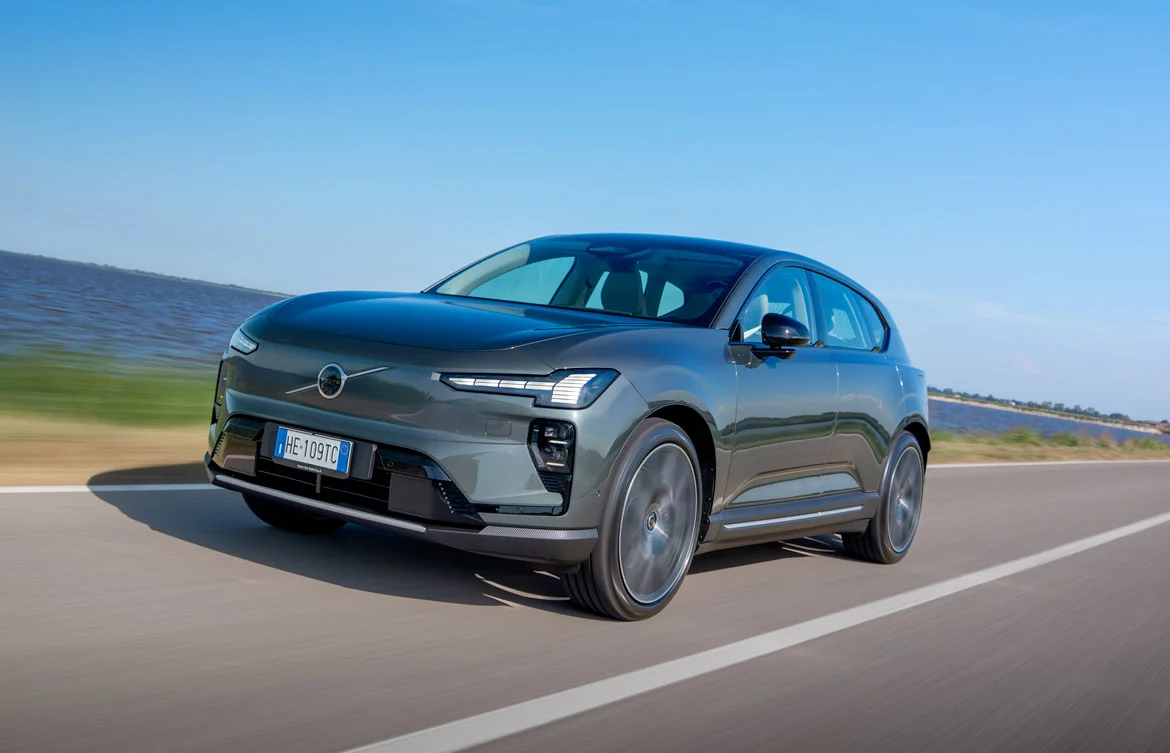
Volvo is making a bold move into the D segment with its new EX60, following the introductions of the EX90 and the smaller EX30, which showcased the brand's take on premium and compact segments. The EX60 is set to become a significant player in the global automotive market, bringing forth innovative technological and production advancements that will directly influence its design.
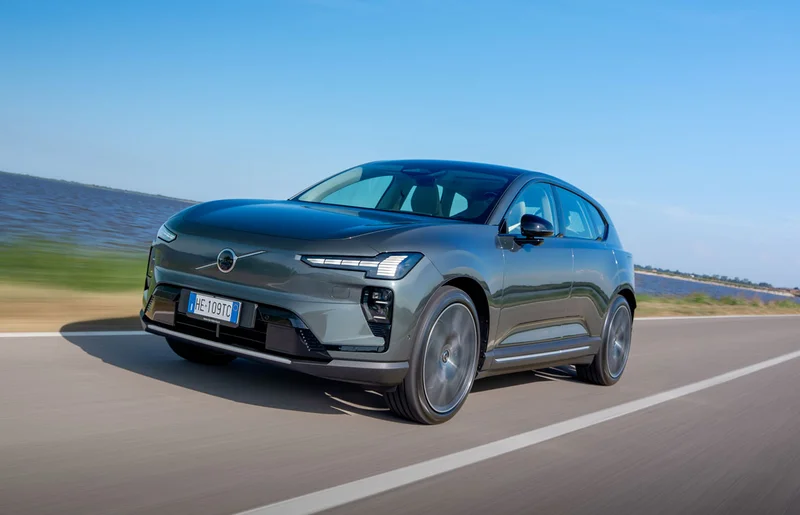
The EX60's foundation is built on two cutting-edge principles: megacasting and cell-to-body integration. Megacasting combines parts that are typically assembled separately into a single element, which reduces both weight and complexity. Meanwhile, the cell-to-body approach integrates the battery cells into the structural framework of the vehicle, eliminating the need for a battery pack enclosure. This innovation results in a weight savings of approximately 70 kg, contributing to an overall reduction of around 200 kg, and allows for an impressive range of over 800 km.
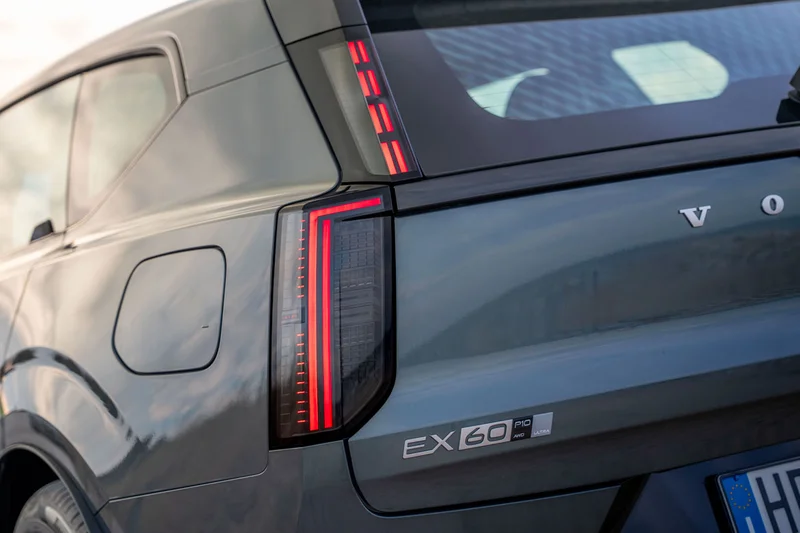
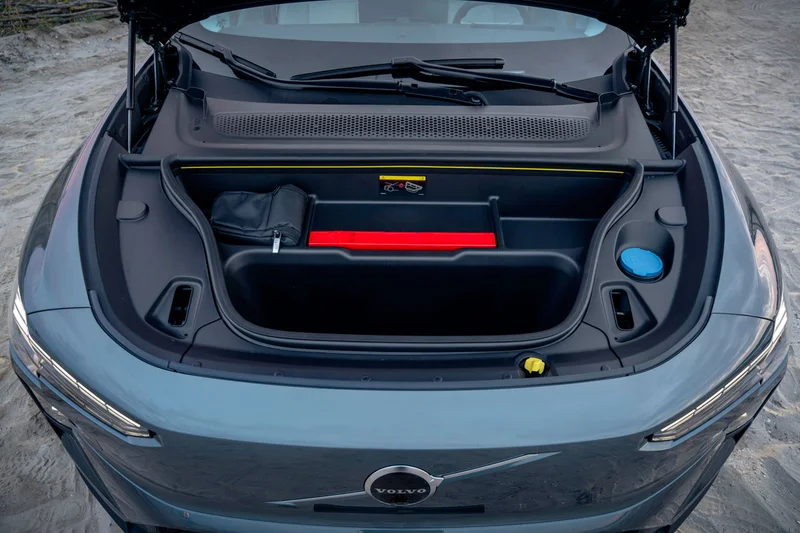
From a stylistic perspective, the EX60 embodies a fresh interpretation of Volvo's design language. Measuring 4.8 meters in length, it features a clean front end that echoes the EX30's headlight design. The profile resembles that of a station wagon, culminating in a vertical rear end designed to enhance aerodynamic efficiency. The rear light clusters follow the contours of the body, interrupted by a distinctive broken line at the waist level.
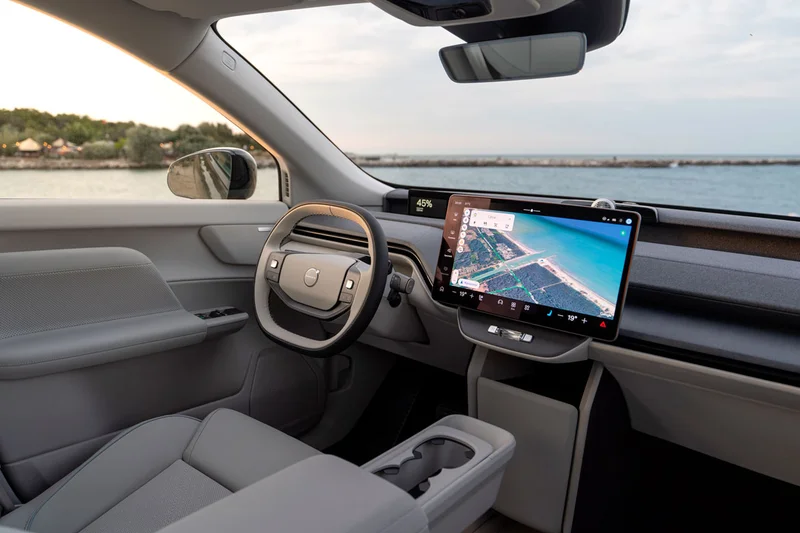
Inside, the EX60 emphasizes minimalism and sustainability, which are key tenets of Volvo's new direction. It boasts the highest percentage of recycled materials in the lineup, at 27%. The interior surfaces, colors, and finishes are inspired by Nordic landscapes, creating four unique environments. The interface is enhanced by artificial intelligence, featuring the Google Gemini assistant. Instead of a traditional head-up display, an 11.4-inch screen is positioned on the dashboard above the line of sight cleared by the compact steering wheel, accompanied by a central 15-inch display. An innovative storage compartment in the central console replaces the conventional passenger-side glove box, accessible via a traditional mechanical control, similar to the setup in the EX30.