Why Electric Vehicles Are Changed More Often Than Internal Combustion Engine Cars: Analysts' Explanation
Older generation diesel engines remain among the most popular on the secondary market. Despite their age, they attract drivers with a combination of high torque levels and relatively modest fuel consumption.
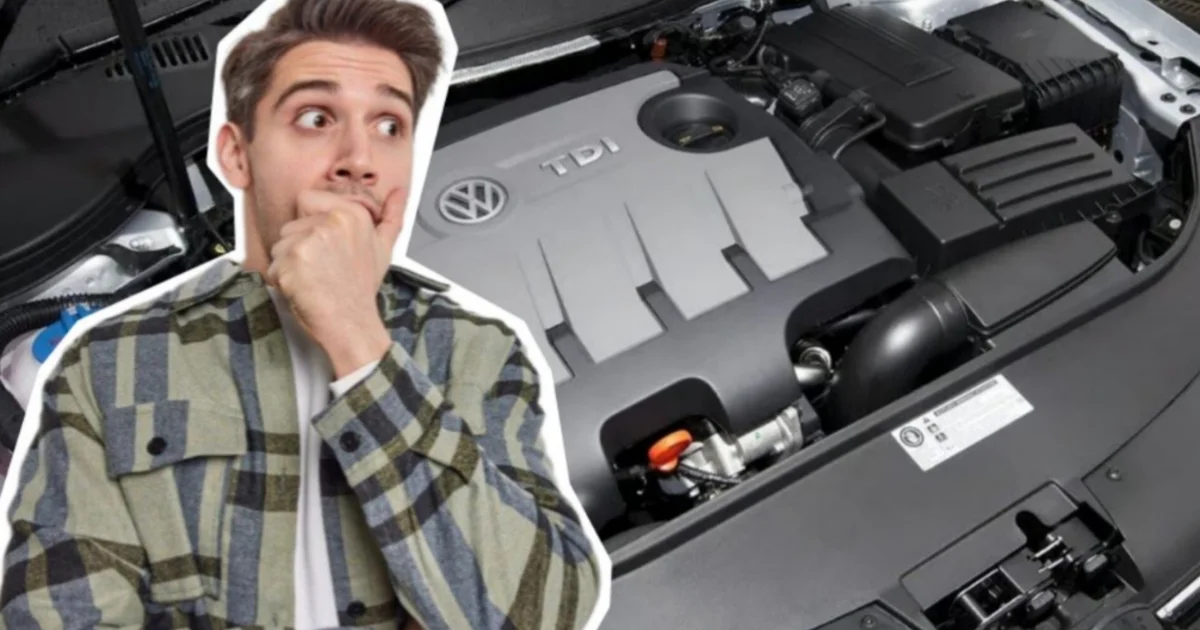
Older generation diesel engines remain among the most popular on the secondary market.
Despite their age, they attract drivers with a combination of high torque levels between 300–400 Nm and relatively modest fuel consumption. In real-world conditions, even large family cars with such engines can consume around 5 liters per 100 km in a mixed cycle.
This is reported by Moto.
Another important advantage is durability. Most proven diesel engines can easily exceed 250,000–300,000 kilometers without serious issues, and with proper maintenance and regular replacement of consumables, this figure can easily increase significantly. A list of engines has formed in the market that have earned a reputation as "long-livers."
German Diesel Traditions
One of the most well-known representatives is the 2.0 TDI from the VAG group, which appeared in the early 2000s and is still installed on a wide range of models. The early versions of this engine used a pump-nozzle system. They were known for their durability but had a higher noise level.
At the same time, early generations had weak points: possible cracks in the cylinder head, oil pump malfunctions, and an imperfect timing belt drive mechanism. In some cases, repairing such an engine could be so expensive that it exceeded the market value of the car itself.
Since 2008, the situation has changed significantly with the transition to the Common Rail system (2.0 TDI CR). The updated design became much more reliable, eliminating most typical problems and, with normal maintenance, capable of reaching 400,000–500,000 km. The only thing that requires attention is the powerful versions with two turbochargers, which are more expensive to maintain.
French Engineering
The 2.0 dCi engine, created in collaboration between Renault and Nissan, has been produced since the mid-2000s. It features a sturdy cast iron block, an aluminum head, and a reliable chain-driven timing mechanism. The Bosch fuel system has proven to be durable and stable.
In later modifications, an SCR exhaust neutralization system using AdBlue was introduced, and power varies from approximately 90 to 200 hp depending on the version.
An important detail is the oil change interval. The factory-recommended 30,000 km was aimed at corporate fleets, but in practice, this reduces the engine's lifespan. If maintenance is performed every 10,000–15,000 km, the engine can reach up to 500,000 km without major repairs.
Simplicity and Endurance of PSA
The 2.0 HDi from the PSA group deserves special attention, which debuted in the late 90s and quickly gained a reputation as one of the most reliable diesels of its time. The first 8-valve versions featured a maximally simple design—without a dual-mass flywheel and a particulate filter, which significantly increased their lifespan.
Later, 16-valve modifications with power up to 180 hp appeared, featuring a timing belt that requires periodic but inexpensive replacement approximately every 120,000 km.
This engine proved to be so successful that it was actively used by other manufacturers. It can be found in the Ford Focus, Mondeo, Kuga, Galaxy, Suzuki Vitara, and Grand Vitara, as well as in several Volvo models.
Other Proven Diesel Solutions
In addition to the main "heroes," the market offers several other reliable options. Among them is the Italian 2.0 MultiJet, which has performed well in Fiat, Alfa Romeo, and Opel vehicles.
Also worth mentioning is the 2.1 CDI from Mercedes-Benz—a versatile diesel that has been used for decades in both commercial vehicles and premium passenger cars.
Outside of Europe, the 2.0 CRDi from Hyundai/Kia has a consistently high reputation. It combines good dynamics and efficiency; however, in urban conditions, it may accumulate soot more quickly, making it more suitable for mixed or highway driving.
Previously, we reported on the most popular new crossovers in Ukraine.