DS N°7: The French Electric SUV Makes a Bold Price Move Ahead of Launch
The DS N°7, a new electric SUV from DS Automobiles, is already seeing significant price reductions ahead of its launch, with some configurations discounted by over €7,000.
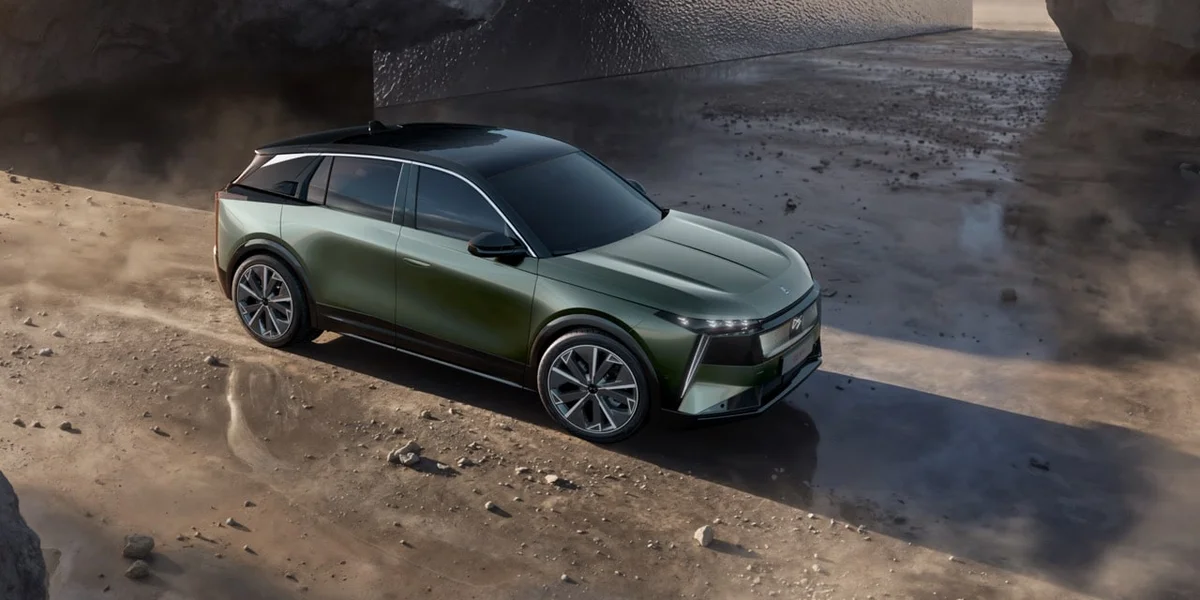
The DS N°7 has not yet officially begun its commercial journey, yet it is already at the center of a significant pricing strategy. The new large electric SUV from DS Automobiles is seeing some of its configurations receive substantial discounts, with reductions exceeding €7,000 in the best cases.
This pricing approach could help the French manufacturer better compete in an increasingly crowded electric SUV market. Notably, the N°7 boasts an impressive range of up to 740 km in its most efficient configuration.
A Dramatic Shift in Positioning with Promotional Pricing
On paper, the DS N°7 starts at €46,990, placing it directly against numerous family-oriented electric models. However, this is not necessarily the amount customers will have to pay to drive away with the French SUV.
DS Automobiles is offering much more attractive commercial terms on certain versions. The entry-level model can be had for €41,360 at DS Store, which is €5,630 less than the initially announced price.
The price difference becomes even more pronounced as one moves up the range. A Pallas configuration with the standard battery is currently listed at €51,410, down from €58,420 in the catalogue. This results in a savings of €7,010.
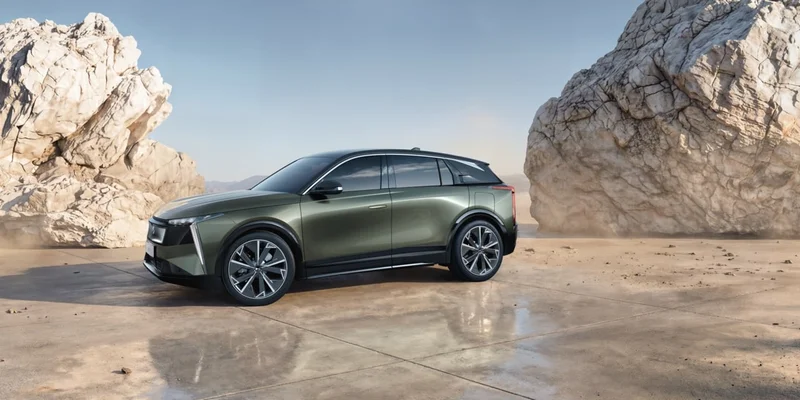
The Étoile trim also exemplifies this commercial strategy. Normally priced at €64,200, it is now available for €49,520, marking a staggering difference of over €14,000 that significantly alters the model's market positioning.
The Long Range version is similarly affected by these discounts, with its price dropping from €50,610 to €46,570. The level of discount varies widely depending on the chosen configuration, encouraging consumers to carefully compare available offers before making a purchase.
Impressive Range of Up to 740 km for the Long Range Version
Another compelling aspect of the DS N°7 is its range. The variant equipped with a 73.7 kWh battery delivers 230 hp and can travel up to 543 km according to the WLTP cycle.
For drivers who frequently undertake long journeys, the Long Range version is more appealing. It features a 97.2 kWh battery and a 245 hp motor, achieving a maximum range of 740 km under WLTP testing conditions.
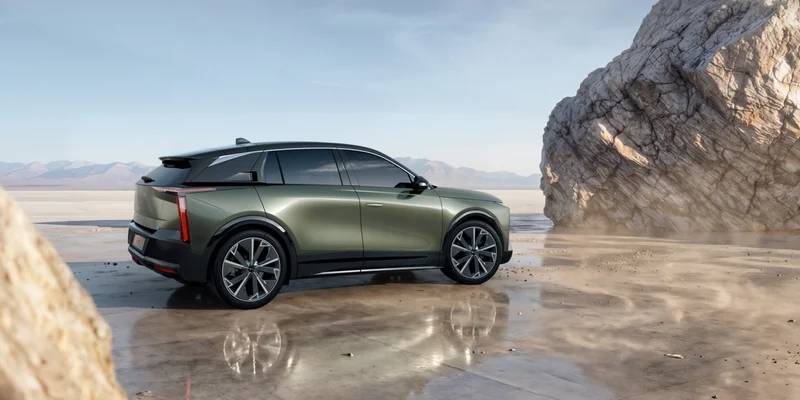
These specifications position the DS N°7 alongside established competitors like the Tesla Model Y and the Skoda Enyaq. Its premium positioning also allows it to compete with models such as the Audi Q4 e-tron and the Cupra Tavascan.
However, the French SUV does have a point of concern: charging speed. In this regard, the N°7 is not among the fastest models in its category. For motorists who often embark on very long highway trips, this factor may influence their decision.
Overall, the current pricing strategy presents a transformed image for the new DS model. With several thousand euros in reductions on select configurations, the N°7 could ultimately prove to be far more competitive than its catalogue price initially suggested.