Introducing the Denza Z: A New Era for Electric Supercars
The Denza Z challenges the electric hypercar market with 1,604 horsepower and rapid charging at a fraction of the cost of competitors like Rimac Nevera.
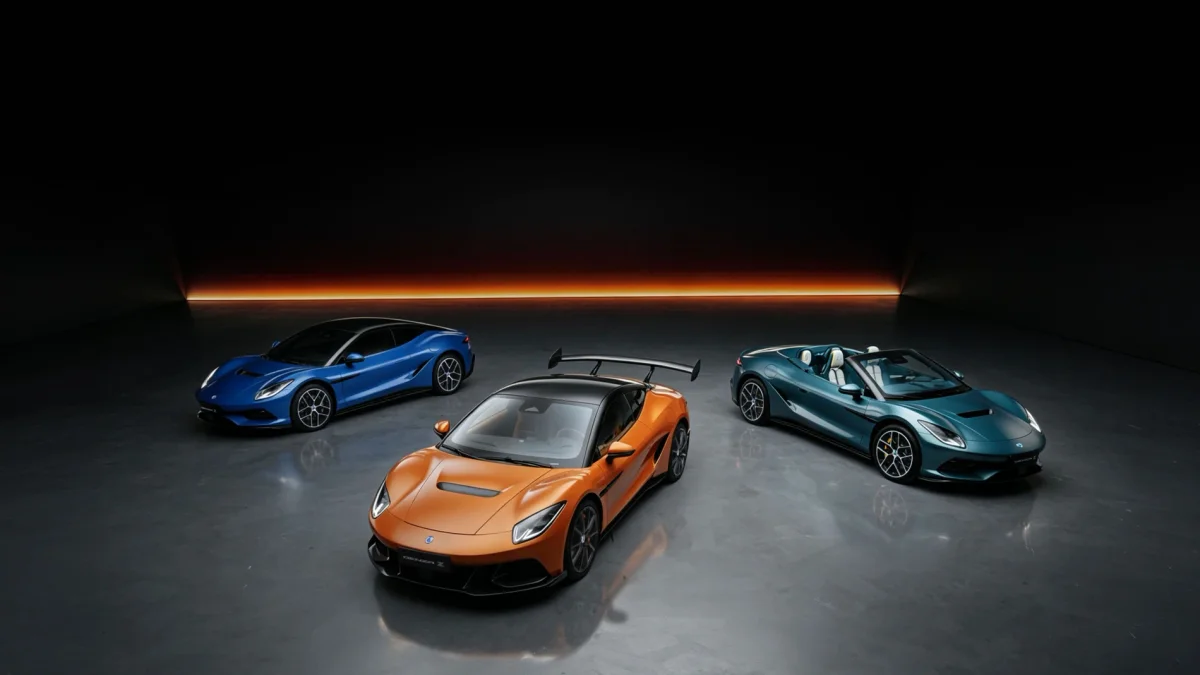
The Denza Z has entered the electric supercar arena, challenging the notion that high-performance electric vehicles are out of reach for most buyers. With a staggering output of at least 1,604 horsepower, the Denza Z promises exhilarating performance at a fraction of the cost of competitors like the Rimac Nevera.
Mate Rimac, known for his pioneering work in the electric hypercar sector with the Nevera, drew an interesting analogy. He suggested that while an Apple Watch may outperform a traditional mechanical watch in functionality, the market for such luxury items is limited. This sentiment reflects a broader challenge within the electric hypercar segment, where the affluent demographic often favors combustion engines over their electric counterparts.
Yet, Denza appears undeterred by these market perceptions. The company has positioned the Z as a viable option for those seeking both luxury and performance without the exorbitant price tag typically associated with electric supercars. The Denza Z's rapid charging capabilities further enhance its appeal, making it a practical choice for enthusiasts who desire both speed and convenience.
The electric supercar landscape is evolving, and Denza's entry signifies a shift in consumer expectations. As the automotive industry continues to innovate, the demand for high-performance electric vehicles is likely to grow, potentially reshaping the preferences of wealthy buyers.
In summary, while the electric hypercar market faces challenges in appealing to traditional luxury car buyers, the Denza Z stands as a testament to the potential of electric performance vehicles. With its impressive specifications and competitive pricing, it may just carve out a niche in a sector that has been dominated by combustion engines for so long.