Lufthansa's Aeroshark Initiative: Harnessing Shark Skin to Save Fuel
Lufthansa is testing Aeroshark, a shark skin-inspired technology aimed at reducing fuel consumption and CO₂ emissions in its aircraft fleet.
Lufthansa is taking a significant step towards reducing fuel consumption with its innovative Aeroshark initiative. The airline, known for its Boeing 747, which consumes between 10 to 11 tons of kerosene per hour during flights, is now testing a unique skin inspired by shark anatomy. This initiative aims to cut fuel usage by more than previously anticipated, with the potential to save around 19 tons of kerosene—or 60 tons of CO₂—per day across 22 aircraft in its fleet, including Boeing 777s and a 747-400.
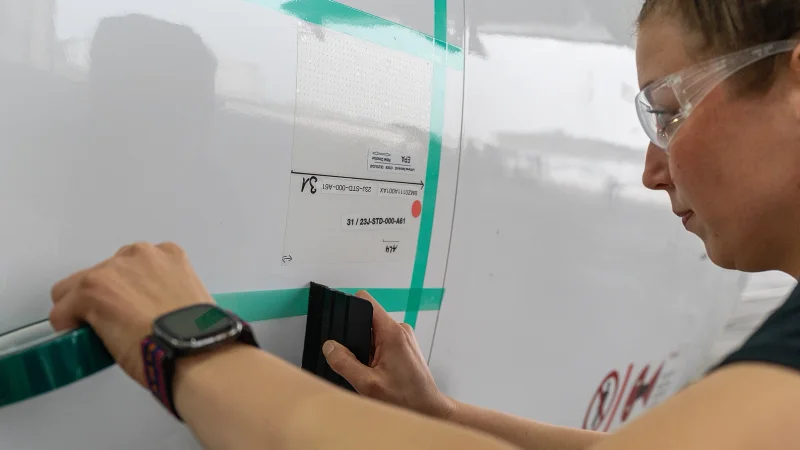
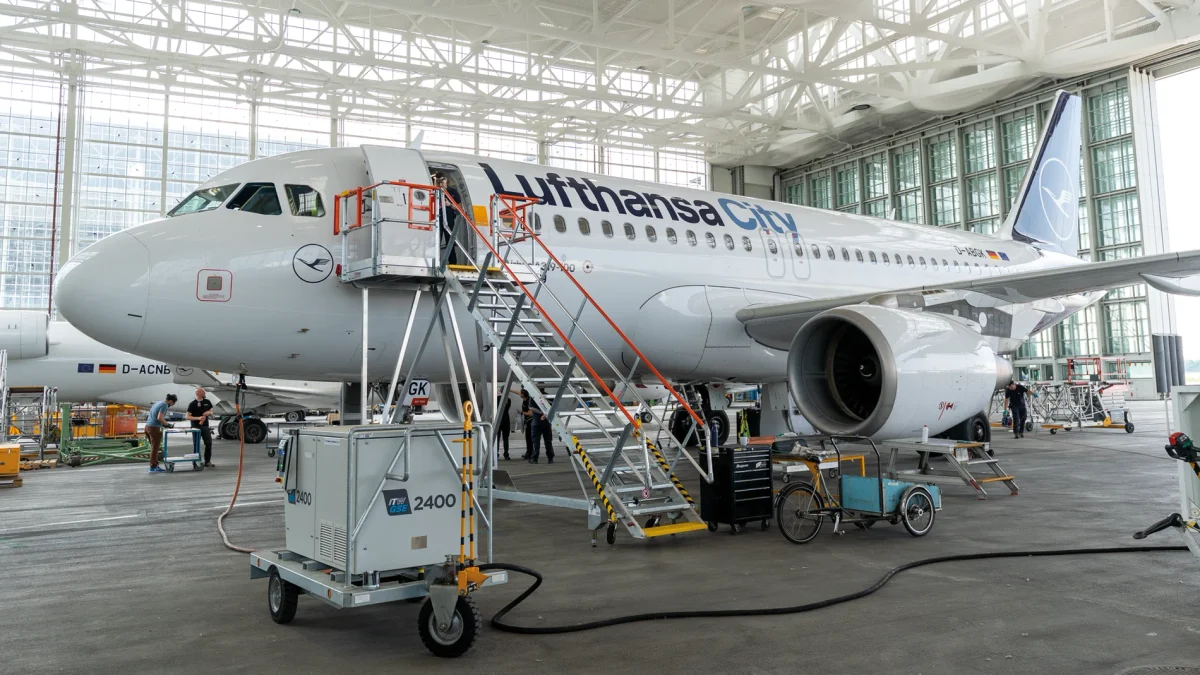
The advancements in aviation often come in small, steady increments. While features like curved wing tips are visible and effective in minimizing turbulence, the Aeroshark skin is less conspicuous. This transparent film is applied to specific areas of the aircraft, although it has yet to be tested in high-aerodynamic-force zones. To explore its potential, Lufthansa has selected an Airbus A319 from its subsidiary City Airlines for the trial.
The aircraft, named D-ABGK Starnberg, is being adorned with 70 stickers, each measuring 20 by 20 centimeters, placed on the fuselage and around the engine covers. Future iterations of this technology are expected to be more adhesive, allowing for application on wings and tail sections, which experience greater aerodynamic forces.
The inspiration behind Aeroshark comes from the unique skin of sharks, which features fine, flow-aligned grooves known as riblets. These riblets effectively reduce drag and enhance fluid dynamics. Lufthansa's marketing has branded this innovation as Aeroshark, developed in collaboration with the former BASF Coatings, now known as Surventis. The surface film boasts riblets that are only 50 micrometers high, aligned with the airflow to decrease air resistance, ultimately leading to a fuel and CO₂ savings of approximately one percent per flight.
In addition to sharks, other animals are influencing aviation technology. The albatross, with its specialized shoulder joint, is inspiring new wing designs for Airbus. This design features a long, slender wing with a joint at the tips, which can be adjusted during flight to optimize fuel efficiency and compactness when parked at terminals.
The testing period for the Aeroshark initiative is set to continue until February 2027, focusing on routes between Hamburg and Munich. Passengers will recognize the test aircraft by a bright yellow sticker placed next to the door, distinguishing it from other planes in the fleet.
This initiative underscores the aviation industry's ongoing commitment to innovation and sustainability, demonstrating how nature can inspire technological advancements that lead to more efficient air travel.