Luxeed RX: Huawei and Chery Unveil Their New SUV
The Luxeed RX opens preorders in August 2026 with up to 594 hp, four lidars, and Huawei technology dedicated to driving.
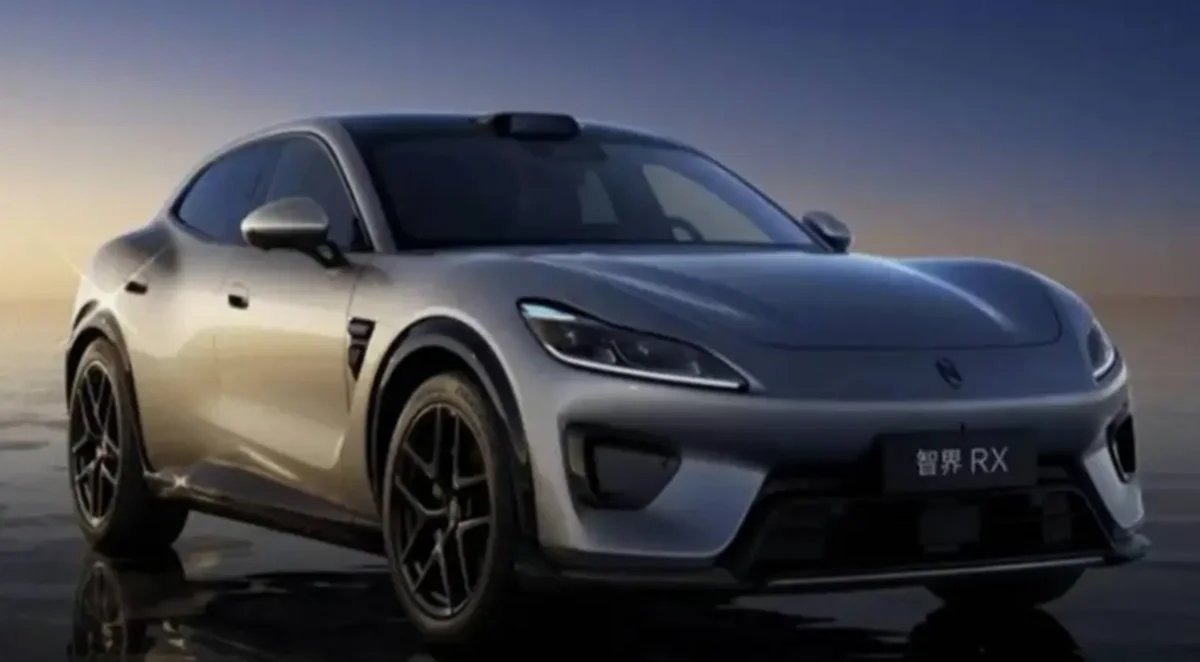
The Luxeed RX has officially opened preorders, set to launch in August 2026, boasting up to 594 horsepower, four lidars, and advanced driving technology developed by Huawei.
The premium electric SUV market in China continues to expand with the introduction of the Luxeed RX, a collaborative effort between Huawei and Chery. After months of anticipation, the automaker is now accepting preorders for this spacious electric SUV, although the exact commercial launch date, official pricing, and deposit requirements remain undisclosed. Several technical specifications have been confirmed, however.
The Luxeed RX aims to carve out a niche in an increasingly competitive segment, where Chinese manufacturers are rapidly intensifying their rivalry. Featuring generous dimensions, two electric powertrains, an electronic architecture developed by Huawei, and a unique configuration with four lidar sensors, the model emphasizes both performance and advanced driver-assistance technologies.
In a landscape populated by rivals such as the Xiaomi YU7, this new electric SUV is designed to attract customers interested in high-end vehicles, customization options, cutting-edge innovations, and high performance. Yet, several key technical details are still pending confirmation, including its range, battery capacity, and charging performance.
A Premium Electric SUV
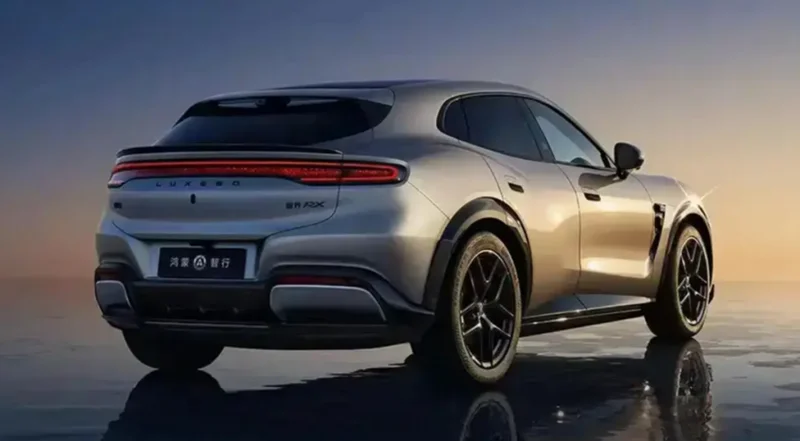
The Luxeed RX's dimensions position it among the larger electric SUVs on the market. It measures 5,020 mm in length, 2,007 mm in width, and 1,585 mm in height, with a wheelbase of 3,000 mm.
This configuration allows it to compete directly with some of the most prominent models in the segment. Notably, the manufacturer highlights its dimensions in comparison to the Xiaomi YU7, as the Luxeed RX is 21 mm longer, 11 mm wider, and 15 mm lower than its competitor, while both vehicles share the same wheelbase.
The exterior design features headlights capable of responding to voice commands and displaying various light animations. Future buyers will also have access to over twenty paint options, emphasizing the focus on personalization for this electric SUV.
Inside, Huawei contributes several technologies aimed at enhancing user experience and driving assistance. The Luxeed RX is equipped with the Huawei Tuling platform, the Giant Whale battery architecture, and redundancy for critical components related to driver-assistance systems.
These features reflect the technological positioning that the model aspires to, even as several essential characteristics remain to be officially confirmed.
Power and Lidar Integration
Documents released by Chinese authorities reveal details about the two powertrains planned for the Luxeed RX.
The rear-wheel-drive version is powered by a Huawei electric motor generating 277 kW, equivalent to approximately 377 horsepower.
In contrast, the all-wheel-drive variant combines a 160 kW motor with the 277 kW unit, yielding a total power output of 437 kW, or roughly 594 horsepower.
This configuration enables the electric SUV to reach a top speed of 251 km/h.
Beyond its power, Luxeed emphasizes its architecture dedicated to driving assistance. The RX features a setup with four lidar sensors, a solution that remains relatively rare in the automotive market.
This architecture is complemented by redundancy for key sensors to ensure the operation of the driver-assistance systems. Huawei continues to develop its onboard technologies following enhancements made to the Luxeed R7 and S7 models.
The manufacturer regards this configuration as a key differentiator for the RX compared to other electric SUVs on the market.
Unanswered Questions
While the technical specifications are emerging, several important details remain unknown.
Huawei and Chery have yet to announce the exact launch date, pricing, deposit amount, or the commercial conditions for the vehicle.
The manufacturer has also not disclosed the battery capacity, charging speed, or certified range.
These aspects will be closely scrutinized as the Luxeed RX is compared to the Xiaomi YU7, which boasts a claimed range of 835 km according to the CLTC cycle.
The design narrative surrounding the SUV has sparked commentary as well. Controversy arose after Luxeed's Executive Vice President, Zhao Changjiang, stated that the brand had hired a former "chief designer from Ferrari." This claim led Ferrari's communications director for Greater China, Ingrid Sun, to publicly request the identity of this individual.
Chinese media outlet Yiche has linked the RX's design to Werner Gruber, a former senior exterior design manager at Ferrari known for his work on various projects, including the LaFerrari. However, it is noted that his exact role at Ferrari did not match the title of "chief designer," making it impossible to confirm that the Luxeed RX is the creation of the "designer of the LaFerrari."
Lastly, no plans for commercialization in Russia have been announced. The text also suggests that it is too early to assess the prospects for parallel imports, given that several parameters remain unknown, including the final price of the all-wheel-drive version, the type of battery, language compatibility, and maintenance requirements for such a sophisticated system featuring four lidars.
Conclusion
The Luxeed RX stands out, according to available information, for its technological positioning with four lidars, two electric powertrains, and an architecture developed by Huawei. However, several critical data points, such as pricing, range, battery capacity, and charging speed, have yet to be disclosed. These details will be crucial in determining the model's competitive stance against direct rivals. At this stage, only the officially revealed specifications allow for an assessment of the future electric SUV's potential.
Credit illustrations: Luxeed.