Peugeot 508: Overview, Pricing, and Reviews
The Peugeot 508 has a mixed reputation for reliability. This guide explores its two generations, engine options, and maintenance costs, helping buyers make informed choices.
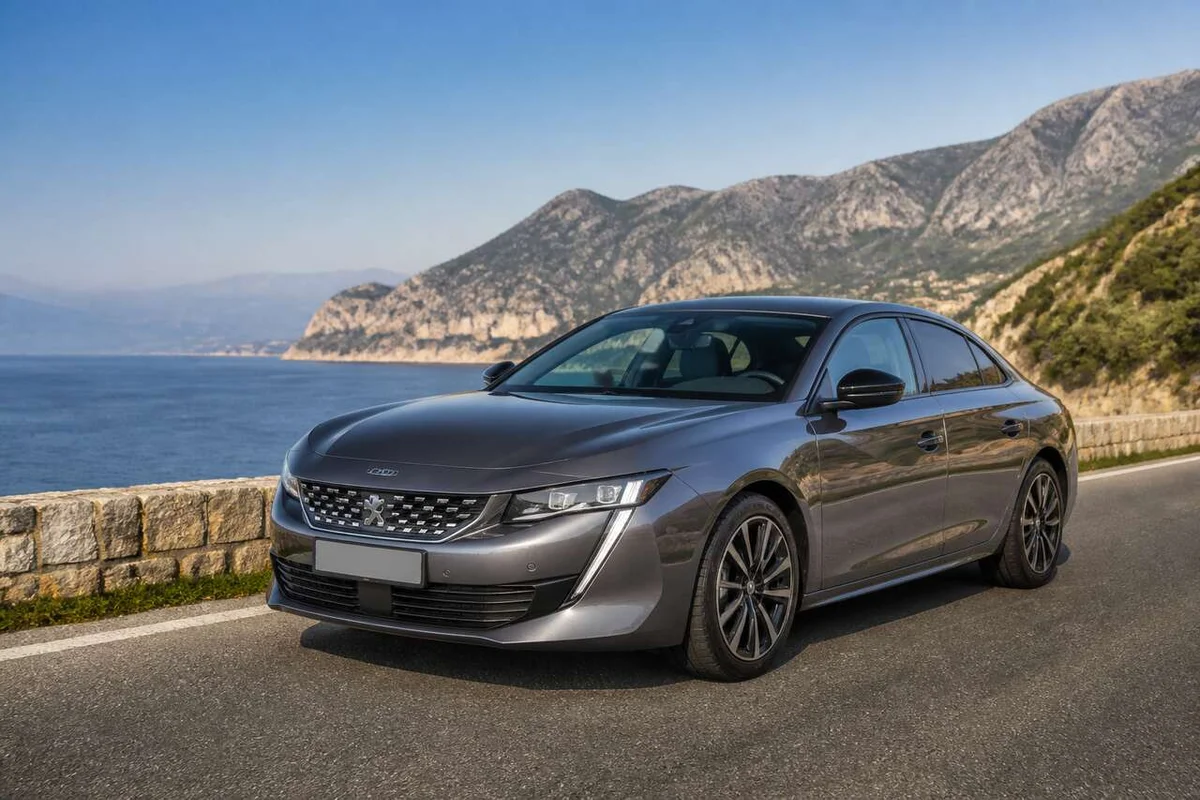
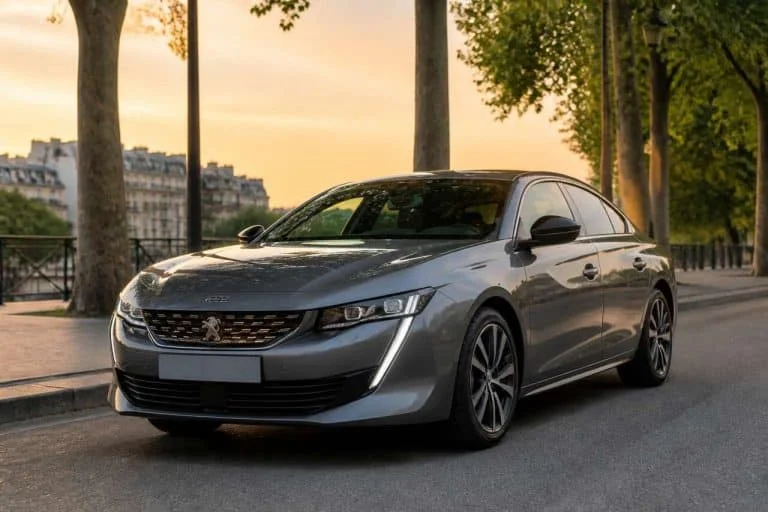
The Peugeot 508 has garnered a mixed reputation over the years. While some models have successfully surpassed 290,000 kilometers without major issues, others have faced multiple visits to the workshop before reaching 100,000 kilometers. This guide aims to differentiate between the two generations of the 508—launched in 2011 and 2018—highlighting their reliability, engine options, and maintenance costs, while advising on the best versions to consider based on individual needs and budgets.
Key Takeaways
- The 508 II (since 2018) features advanced technology and improved comfort, but its electronic systems require thorough checks before purchase.
- Well-maintained BlueHDi diesel engines, particularly the 2.0L variant, are among the most durable across both generations.
- The smaller PureTech 1.2 and 1.6 THP petrol engines with internal timing chains necessitate close monitoring of the timing system.
- The plug-in hybrid is appealing for urban and short mixed use but comes with higher upfront and maintenance costs.
- A meticulous inspection (service history, recalls, cold and hot test drives) remains the best defense against unpleasant surprises in the used market.
Peugeot 508: Ideal for Which Driver?
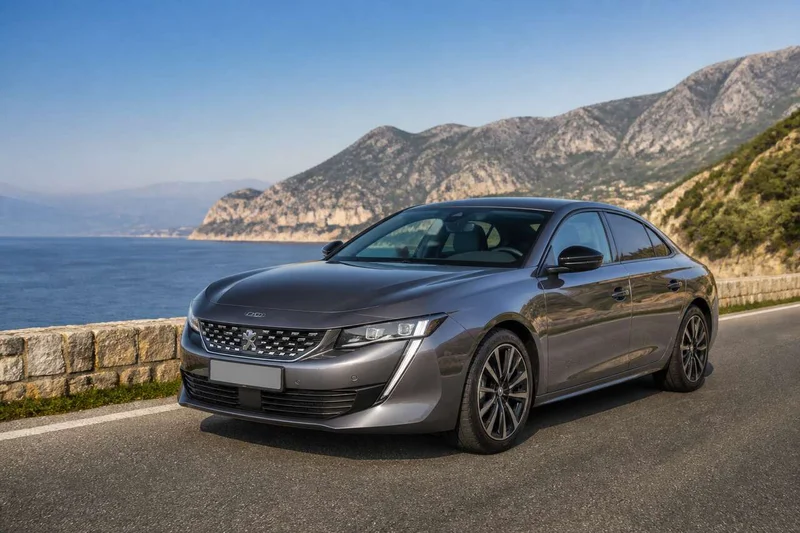
The Peugeot 508 primarily targets high-mileage drivers such as sales representatives, traveling executives, and families who frequently commute and embark on long weekend trips. As a large family sedan, it is designed to handle both urban traffic and extensive highway travel without excessive fatigue. The SW variant, introduced in late 2018, further enhances this usability with a spacious trunk, making it suitable for families or professionals needing to transport equipment.
Comfort is a historical strength of the model, further enhanced in the second generation by the i-Cockpit, which features a compact steering wheel, a raised instrument cluster, and a large central touchscreen. This setup appeals to some drivers while leaving others feeling disoriented during initial trials, warranting a longer test drive, particularly for taller individuals or those accustomed to more traditional driving positions.
Three distinct usage profiles emerge:
- Highway Drivers: Opt for the BlueHDi diesels, which are economical and comfortable for long distances.
- Mixed City/Road Use: The PureTech petrol engines or the plug-in hybrid are well-suited for this profile, with the need to incorporate charging time into daily routines for the hybrid.
- Corporate Fleets and Long-Term Rentals: The Allure and GT trims, which are well-equipped, represent the most rational choice for both new and recent used purchases.
Choosing the most suitable generation is crucial, as the technological and mechanical disparities between the 508 I and 508 II are significant.
Two Generations, Two Philosophies: 508 I and 508 II
The 508 I, sold from 2011 to 2018, represents a more traditional sedan approach with understated lines and adequate space but lacks the technology seen in current standards. Its main advantage lies in its generally well-managed mechanics, especially in diesel variants, and simpler electronics that are less prone to costly failures. This makes it a sensible choice for those prioritizing maintenance simplicity over modern equipment.
In contrast, the 508 II, launched in Spring 2018 as a sedan and later as an SW, adopts a radically different philosophy. Peugeot introduced the i-Cockpit, sportier lines inspired by the Exalt concept car showcased at the 2014 Beijing Motor Show, and frameless doors that enhance the vehicle's premium appearance. The improvements in driving pleasure and assistance features are evident, but this technological sophistication comes with increased electronic complexity, which can lead to potential failures in infotainment systems or driving assistance sensors.
The Spring 2023 facelift further refined the design with a redesigned front mask and a streamlined range of three trims: Allure, GT, and PSE. This update also improved the availability of active safety technologies in the entry-level model, including Matrix LED headlights and driver vigilance alerts now integrated into the Allure trim.
| Criteria | 508 I (2011-2018) | 508 II (since 2018) | |-----------------------------------|-------------------------|----------------------------| | Onboard Technology | Simple, reliable | Rich, more fragile long-term| | Driving Comfort | Good, classic | Excellent, with pilot suspension available in GT| | Overall Maintenance Cost | Moderate | Higher, especially out of warranty| | Electronic Complexity | Limited | High (sensors, i-Cockpit, ADAS)|
This technological shift directly influences engine and gearbox choices, which should be examined closely based on annual mileage and trip types.
Engines and Gearboxes: What to Choose Based on Your Usage
The Peugeot 508 offers a wide range of engines: PureTech and THP petrol, BlueHDi diesel, and plug-in Hybrid and Hybrid4 options. Each engine type caters to specific usage, and mixing profiles can often lead to disappointments in fuel consumption or premature wear.
The BlueHDi diesels remain the benchmark for high-mileage drivers. The 2.0L engine, available in various power outputs over the years, combines generous torque with low consumption on highways, provided that oil change intervals and AdBlue levels are meticulously maintained. User feedback includes a 508 2.0 HDI that exceeded 290,000 kilometers without significant issues, demonstrating the longevity of this engine when properly cared for.
On the petrol side, the PureTech 1.2 (three-cylinder) is appealing for urban and short mixed usage, but its internal timing chain requires close monitoring after 100,000 kilometers. The more powerful THP engine is better suited for sustained road use, though fuel consumption can rise quickly if the driver frequently demands acceleration. One user noted that a 1.6 engine became "noisier more quickly" than others, indicating internal wear that should be closely monitored through maintenance history.
The plug-in hybrid, available on the 508 II as Hybrid and Hybrid4 (all-wheel drive), targets urban and short mixed use, offering sufficient electric range for most commuting needs without consuming fuel. However, its higher purchase price and specific maintenance requirements (battery, charging system) need to be factored into the overall budget.
| Engine Type | Ideal Use | Associated Gearbox | Points of Caution | |---------------------|--------------------------|-------------------------|-----------------------------------------| | BlueHDi 2.0 | Highway, high mileage | Manual or EAT8 | AdBlue, SCR, DPF | | PureTech 1.2 | City, short mixed use | Manual or EAT6/EAT8 | Timing chain | | THP | Dynamic road use | EAT6/EAT8 | Fuel consumption during sporty driving | | Hybrid/Hybrid4 | Urban, short mixed use | E-EAT8 | Battery cost, regular charging |
The EAT8 gearboxes, newer than the EAT6, provide smoother and more responsive performance, particularly on highways. However, manual gearboxes remain favored by purists seeking mechanical simplicity and lower maintenance costs, especially in entry-level and mid-range diesels. This diverse engine and gearbox offering naturally raises questions about reliability across generations.
Reliability: The Most Reliable 508 Models and Recommended Versions
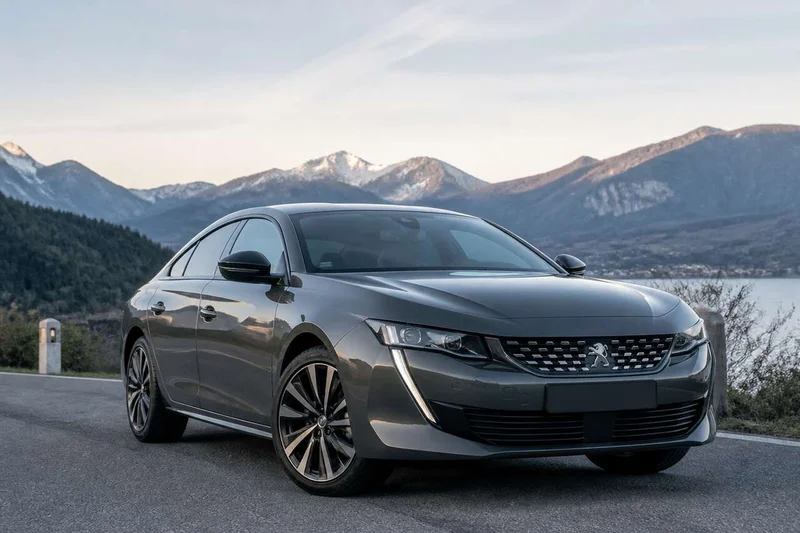
Based on user feedback and technical architecture, certain combinations stand out for their endurance. The 2.0L BlueHDi diesels from the 508 I, paired with either a manual or EAT6 gearbox, rank among the most robust options available, provided the pollution control system (DPF, AdBlue, SCR) is meticulously maintained.
For the 508 II, feedback points to the 163 hp manual and 180 hp automatic EAT6 variants as satisfactory choices, balancing mechanical reliability and adequate comfort for demanding daily use. These versions benefit from a proven engine architecture and less electronic strain compared to high-end trims loaded with advanced driving aids.
- 508 I diesel 2.0 HDI: The safest choice for high-mileage drivers seeking mechanical simplicity.
- 508 II BlueHDi 130/160 hp: A good compromise between modernity and reliability, provided the SCR system's maintenance history is verified.
- 508 II petrol 163 hp manual: Ideal for mixed use without reliance on the electronics of an automatic gearbox.
- 508 II PSE: A high-performance premium version, but with higher maintenance costs due to its technical complexity.
Trim levels also indirectly influence perceived reliability: the Allure and GT versions, well-equipped but not overly burdened with complex electronics compared to the latest GT Pack models, minimize the risk of failures related to sensors and advanced driver assistance systems. Nonetheless, this reliability hierarchy should be tempered by awareness of recurring issues observed across all model years.
Common Problems: What to Watch For Before Purchase
Certain dysfunctions frequently appear in user feedback and workshop diagnostics, regardless of the generation. Identifying these issues in advance can help avoid late negotiations or unpleasant surprises after purchase.
- Diesel Pollution: Clogged DPF in predominantly urban use, malfunctioning AdBlue/SCR system if the vehicle is driven infrequently or makes repeated short trips.
- Injection and Turbo: On turbocharged petrol engines, a loss of power or bluish smoke from the exhaust should raise alarms about the condition of the turbo or injectors.
- Timing: On PureTech models with internal timing chains, a metallic noise at idle often indicates premature wear requiring costly intervention.
- Electronics and Infotainment: Frozen touchscreen, bugs in the i-Cockpit, or faulty Apple CarPlay or Android Auto connectivity in the more equipped 508 II models.
- Suspension: Uneven tire wear or noise in corners, often related to misalignment or worn shock absorbers.
- Leaks: Oil or fluid traces under the vehicle should be systematically checked during the test drive.
When negotiating with a seller, several questions can help clarify doubts: Is the service history complete and up to date? Has the vehicle undergone recall campaigns, and have they been addressed? Does the displayed mileage align with visible wear on the steering wheel, pedals, and driver’s seat? These verifications, combined with a thorough test drive, significantly reduce the risk of purchasing a problematic vehicle. Some of these concerns directly relate to specific engines, whose reputations warrant careful clarification without excessive alarmism.
Peugeot Engines to Avoid: Implications for the 508
Certain Peugeot engines, across all models, are frequently cited as problematic in technical discussions and workshop feedback. However, it is essential to clarify the specific issues associated with these engines to avoid generalizations that may not apply universally.