What Type of Hybrid for Which Driver?
The hybrid revolution is not just a technological evolution; it signifies a profound transformation in the relationship between automobiles and their users. Explore the different types of hybrids tailored for various driving habits and needs.
The hybrid revolution is not merely a technological evolution. It signifies a profound transformation in the relationship between automobiles and their users. Each driver has their habits, geographical constraints, and lifestyle. In the face of this diversity, hybrid propulsion presents several faces, each tailored to meet the specific needs of individuals. Far from uniform discourses, this technology adapts to the realities of daily automotive life, offering remarkable flexibility in response to the contradictory demands of contemporary mobility.
Facilitate Your Urban Journeys with Non-Rechargeable Hybrids
Urban congestion imposes an incessant ballet of accelerations and decelerations. In this context, reliable hybrid cars allow every slowdown to become an energy opportunity. The system recovers kinetic energy during braking, charging the battery without any intervention on your part. This continuous regeneration significantly reduces the strain on the internal combustion engine while maintaining a pleasant driving fluidity.
Do you travel short distances, between home and office, between errands and appointments? The non-rechargeable hybrid stands out for its complete autonomy from charging infrastructure. No plugs, no nighttime planning, no logistical constraints. The vehicle manages its resources independently, orchestrating the complementarity between electric and thermal propulsion according to traffic phases. Traffic jams become less penalizing, with the electric motor taking over in low-speed situations. This operational autonomy appeals to urban drivers seeking simplicity and efficiency without changing their habits. Red lights follow one another, stops accumulate, but your consumption remains controlled thanks to this onboard intelligence that works discreetly.
Optimize Long Journeys with Automatic Management
Long intercity trips require a different energy approach. On the highway, stabilized speed and reduced demands naturally favor the internal combustion engine. The onboard intelligence instantly analyzes driving conditions to determine the most appropriate energy source. During acceleration phases, the combination of both engines provides a welcome power reserve for overtaking or merging onto fast lanes.
This automatic orchestration spares you any technical reflection. You maintain a constant speed while the system silently optimizes consumption. Gradients are tackled effortlessly, with regeneration on descents compensating for energy expenditure on ascents. For drivers regularly undertaking long professional or family distances, this transparent management offers significant psychological comfort. The technology works for you, allowing you to focus on the road rather than complex energy parameters. The kilometers roll by, and the hybrid propulsion continuously adapts its strategy, tirelessly seeking the optimal balance between performance and frugality. This algorithmic sophistication remains invisible, but its effects are clearly visible on the average consumption indicator.
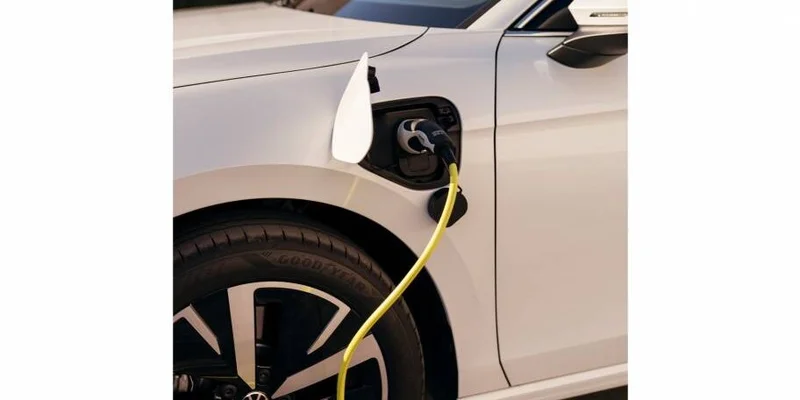
The Plug-In Hybrid Suitable for Mixed City-Highway Trips
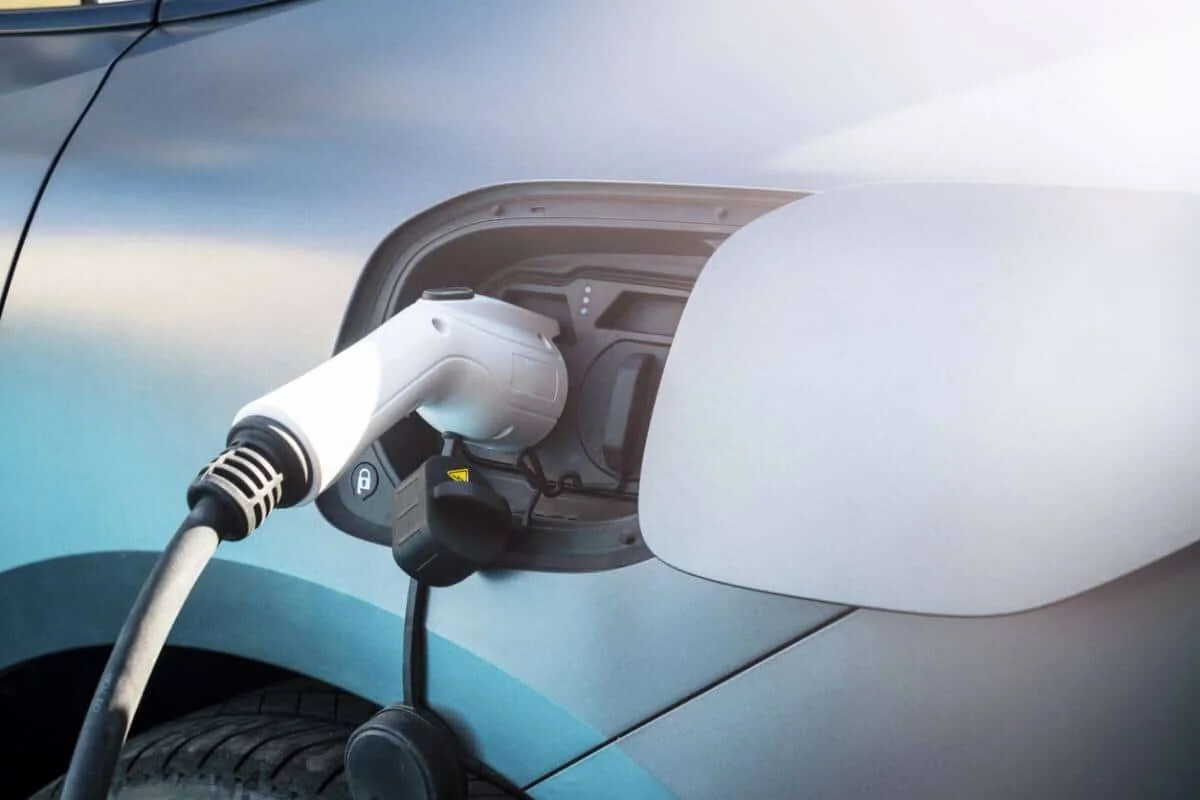
Some profiles combine daily urban travel with regular getaways to more distant destinations. The plug-in hybrid propulsion precisely meets this dual usage. Charged overnight or at your workplace, the battery provides sufficient electric range to cover most urban journeys. Local emissions disappear, and the quiet operation transforms the driving experience in dense environments.
When vacations or weekends arrive, the availability of the internal combustion engine significantly extends your range. No more anxious questioning about remaining autonomy, no more frantic searches for compatible charging stations. A traditional fuel fill-up ensures peace of mind for long routes. This versatility appeals to drivers who refuse to compartmentalize their usage. One vehicle covers all needs, from weekly errands to spontaneous trips. Home charging remains optional but recommended to maximize the economic benefits of electric mode. The driver thus enjoys total freedom in planning their journeys. Infrastructure constraints fade away, replaced by a flexibility that naturally accommodates diverse situations.
Controlled Consumption That Appeals to Budget-Conscious Drivers
Financial considerations often play a decisive role in the choice of propulsion. Hybrids structurally alter the fuel bill without imposing the massive investments associated with other technologies. Energy recovery mechanically decreases the frequency of trips to the gas station. Drivers quickly notice this difference, with each fill-up lasting significantly longer than in a conventional vehicle.
This saving is appreciated over time. Urban trips, traditionally high consumers, become less costly thanks to the contribution of electric mode. The onboard calculators display real-time instantaneous consumption, allowing you to adjust your driving style. This energy awareness modifies behaviors behind the wheel. Anticipation replaces abruptness, and smoothness supplants nervousness.
For households attentive to their overall automotive budget, this tangible reduction in ongoing expenses quickly offsets the initial premium associated with hybrid technology. Calculations refine month after month, and savings become palpable. Some owners report a consumption reduction of several tens of percent on their usual routes, significantly lowering their daily fuel budget.
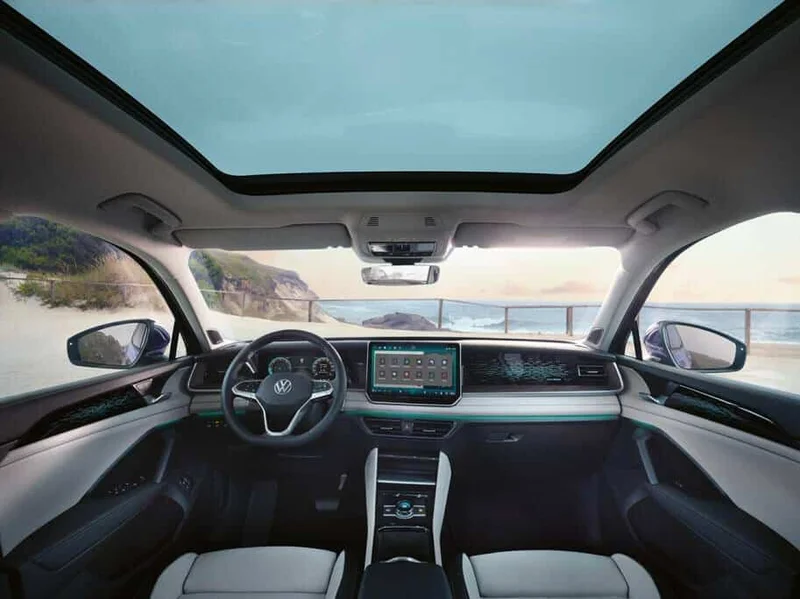
Discover an Innovative Technological Driving Experience
Beyond practical and economic considerations, hybrids transform the sensory relationship with the automobile. The dashboard becomes a sophisticated interface, continuously displaying energy flows between different components. You visualize regeneration during braking, the electric motor's contribution during acceleration, and the thermal engine's role during stabilized phases. This technical transparency educates the driver, fostering an intuitive understanding of hybrid operation.
The partial silence surprises during initial uses. In pure electric mode, only the sounds of the tires and aerodynamic noises remain. This quietness reduces auditory fatigue on long journeys and creates a pleasant bubble of calm in urban agitation. Passengers converse without raising their voices, and music can be fully appreciated. When the internal combustion engine awakens, the transition occurs with remarkable discretion.
This technical sophistication, invisible yet omnipresent, redefines the standards of modern automotive comfort. For drivers sensitive to technological innovations, hybrids offer a daily experimental ground where mechanics meet electronics to create functional symbiosis. Driver assistance systems communicate with energy management, optimizing every parameter to maximize your comfort and efficiency. This complex orchestration manifests itself through a disconcerting simplicity of use.
The relevance of hybrid propulsion lies in its ability to adapt rather than impose. Unlike one-size-fits-all solutions, it offers a range of responses corresponding to the multiple realities of contemporary mobility. Whether you exclusively navigate the streets of a metropolis, rack up highway kilometers, or combine these different usages, a hybrid variant meets your needs. This technological flexibility accompanies the evolutions of your personal and professional life without ever locking you into a rigid scheme. The automobile regains its primary vocation: to serve human mobility in its diversity, embracing the changing contours of our modern existences.