
Senior Driving Licenses: Essential Information for Safe Driving
Explore essential information on senior driving licenses, including practical advice, specific regulations, and alternatives for maintaining mobility.
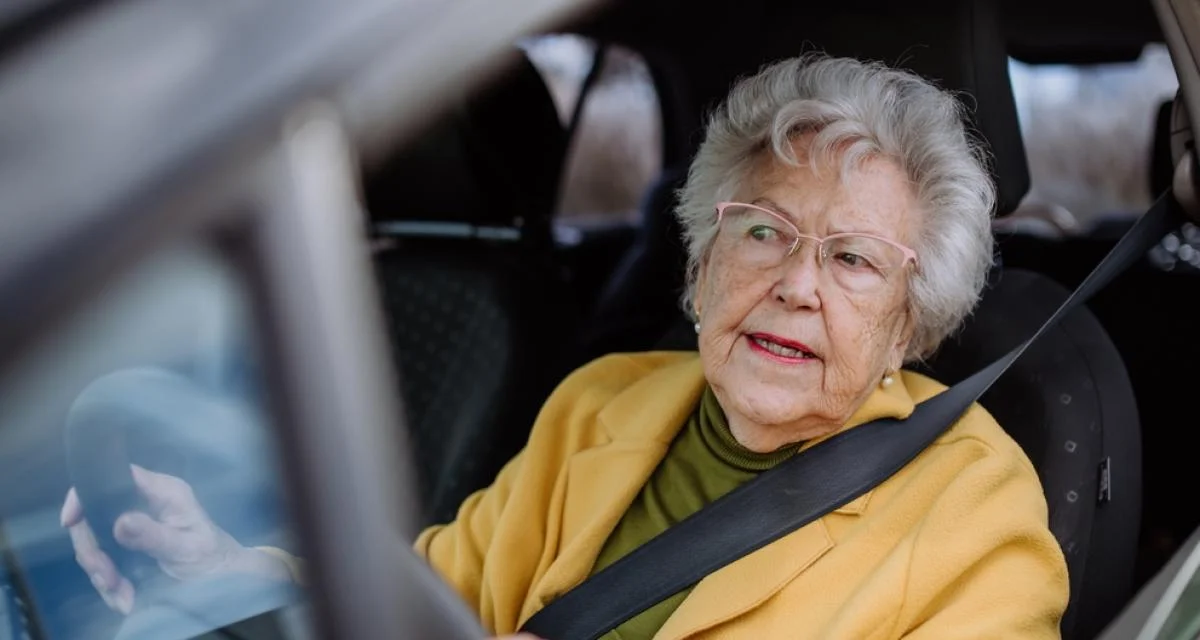
For many seniors, a driving license is more than just a legal document; it symbolizes freedom, independence, and an active lifestyle. However, as individuals age, questions about their driving ability often arise: Am I still fit to drive? What are the regulations? If I need to stop driving, how can I maintain my mobility? This article aims to address these concerns, providing practical advice for driving with confidence.
The Importance of Driving Licenses for Seniors
As people age, their cars often remain valuable assets that make daily life easier. Whether it’s going to the grocery store, visiting a doctor, or seeing friends, driving provides significant convenience. Beyond practicality, there’s an emotional aspect: driving allows seniors to maintain their independence.
However, aging can complicate matters. Research from road safety authorities indicates that while seniors tend to drive cautiously, they are more vulnerable in the event of an accident. This doesn’t mean that seniors should stop driving at the first signs of aging, but rather that they should adapt to ensure their safety on the road.
Specific Regulations for Senior Drivers
Misconceptions About Age Limits
It’s a common misunderstanding that there is a legal age limit for driving in France. In fact, as long as a senior is deemed fit to drive, they can continue to operate a vehicle. However, some countries, like Spain or the United Kingdom, mandate regular medical checks after a certain age. In France, the decision often rests with the doctor or family members.
Medical Examinations: Who Needs Them?
If health issues arise that could impact driving ability—such as vision problems, cognitive difficulties, or motor issues—a physician may recommend a thorough examination. These assessments are designed to determine whether a person can drive safely. Sometimes, simple adjustments, like wearing appropriate glasses or limiting nighttime driving, can suffice.
If uncertainty remains, a specialized evaluation may be arranged. This is primarily a precautionary measure for the safety of both the driver and other road users.
Adapting Driving Habits for Safety
Embrace New Driving Practices
- Opt for daytime driving: Night vision can decline with age, making nighttime travel more challenging.
- Plan your routes: Avoid peak hours and heavily trafficked roads.
- Check your vehicle: Modern cars often come equipped with features that enhance driving safety, such as rear cameras, distance sensors, and automatic braking systems. These can significantly improve comfort and security on the road.
Consider Refresher Courses
Even seasoned drivers can benefit from revisiting the rules of the road. Organizations like the Association Prévention Routière offer courses tailored for seniors, where participants can learn new driving techniques and how to handle emerging technologies in vehicles.
Rights and Responsibilities of Senior Drivers
When Driving Becomes Challenging
At times, health concerns or a loss of confidence can complicate driving. It’s crucial to discuss these feelings with a doctor or loved ones. Taking a break from driving or exploring alternative transportation options can be a difficult but sometimes necessary decision.
Insurance Considerations
Insurance companies often factor in age and health status. If a medical certificate proving driving fitness is required, it may impact insurance premiums. It’s wise to compare different offers to find a policy that suits your needs.
The Role of Family
Family members can serve as valuable support. If concerns about a senior’s driving arise, open and compassionate discussions can help identify solutions together. Often, minor adjustments can alleviate worries for everyone involved.
Staying Mobile Without a License: Alternatives
Demand-Responsive Transport
Many localities are implementing services specifically designed for seniors. These options allow for the reservation of essential trips, often at reduced rates, sometimes with assistance provided for entering and exiting the vehicle.
Mobility Apps
Platforms such as Uber and ridesharing services can offer viable alternatives, especially when they include features catered to seniors. Some even provide companions to assist with getting in and out of the vehicle.
Local Solutions
For very short trips, walking remains an excellent option, provided the environment is safe (with accessible sidewalks and well-marked crosswalks). In certain instances, local shuttles or community organizations may offer practical and secure alternatives.
A driving license is a valuable tool for seniors, but it’s essential to remain attuned to one’s capabilities and adjust when necessary. By following straightforward advice, undergoing regular health checks, and exploring alternative transportation options, seniors can continue to enjoy the freedom of movement.
Summary
This article addresses critical topics concerning senior driving licenses: their significance, specific regulations, and how to adapt driving practices for safety. It also outlines practical solutions for maintaining mobility, even without a license, to preserve autonomy and freedom for seniors. A must-read for driving with peace of mind!