
Understanding the Timeframe for Vehicle Re-inspection After Technical Control
The technical control of vehicles imposes strict deadlines based on the severity of defects identified. Understand the timelines for major and critical defects to ensure compliance and avoid penalties.
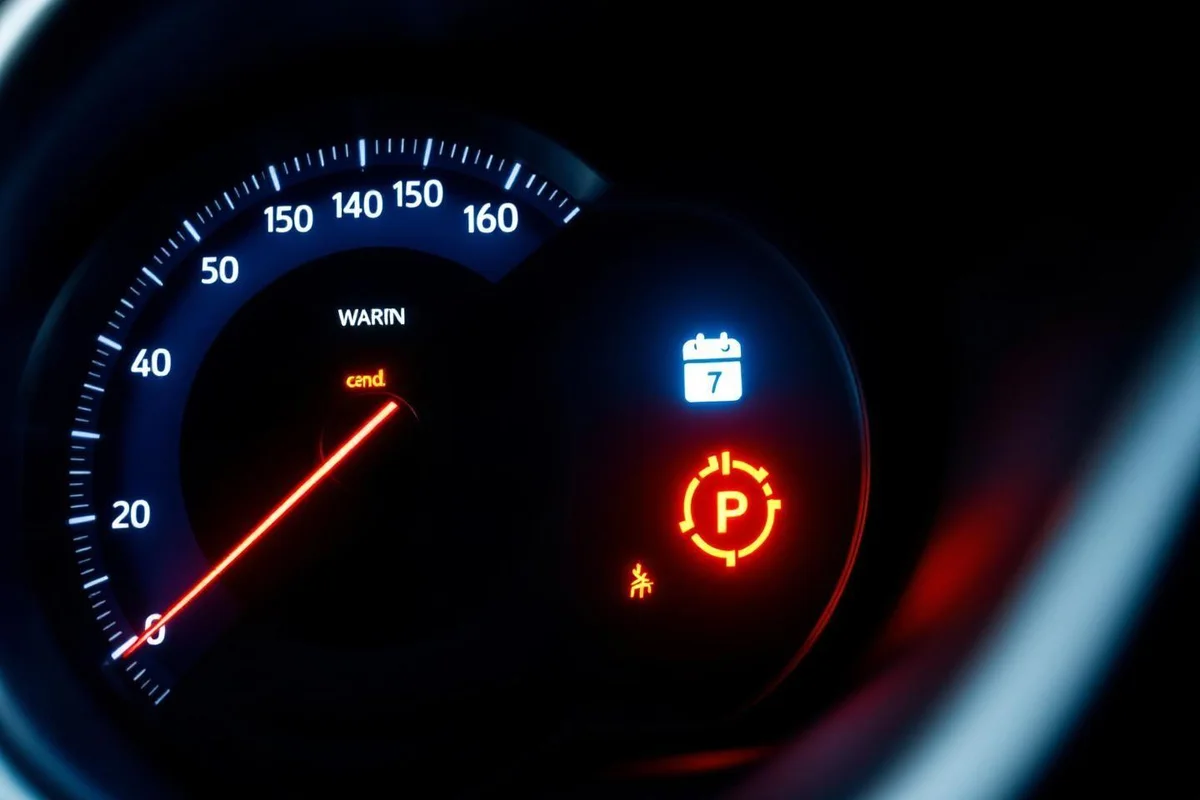
The technical control of vehicles imposes strict deadlines based on the severity of any defects identified during the inspection.
- Major Defects: You have a two-month period to carry out necessary repairs and undergo a re-inspection, while still maintaining the ability to drive normally throughout this time.
- Critical Defects: The repair timeframe remains two months, but driving is only permitted on the day of the inspection to go directly to a professional garage.
- Consequences of Exceeding Deadlines: Failing to meet the deadline can lead to substantial fines, vehicle immobilization, and potential denial of insurance coverage.
- Recommended Organization: Schedule repairs promptly after receiving the report to avoid last-minute urgency and compare quotes from professionals.
Upon receiving the report post-inspection, the presence of defects may necessitate a follow-up inspection within a specified timeframe. Understanding the implications of each type of defect is crucial for effectively organizing vehicle repairs. According to the Ministry of the Interior, in 2024, nearly 18% of technical inspections in France result in a re-inspection, affecting millions of vehicles annually. This issue spans all vehicle types, including cars, motorcycles, and even emerging electric transport modes. Grasping the rules governing re-inspections helps avoid administrative complications and ensures legal vehicle operation. Similar to online registration processes, adhering to regulatory deadlines is essential to evade penalties.
Major Defects and the Two-Month Deadline
For major defects identified during the initial inspection, a two-month period is available for remediation. This timeframe begins on the day the inspector issues the report detailing the anomalies found. During this window, drivers retain the ability to drive normally with their vehicle, significantly easing the organization of repairs and trips to their chosen garage. This flexibility allows for comparison of quotes, scheduling of interventions, and continuity of daily activities without major disruptions.
To illustrate, if a technical inspection occurs on April 10, 2025, revealing major defects, repairs must be completed and the vehicle presented for re-inspection by June 9, 2025. Throughout this period, the initial report remains valid, permitting normal vehicle use. This rule applies uniformly, whether the vehicle is a recent electric city car or an older thermal model. It is crucial to schedule repairs promptly to avoid last-minute rushes. It is highly recommended to book an appointment with a professional as soon as the report is received, anticipating that intervention delays might stretch over several weeks, depending on the season.
Major defects typically involve elements that compromise road safety without posing an immediate danger. These might include lighting issues, worn shock absorbers, moderate leaks, or brake system malfunctions requiring intervention. Such anomalies are often seen in vehicles that are heavily used or have neglected preventive maintenance. The variety of vehicles on the road, from classic cars to vintage motorcycles, accounts for the wide range of defects encountered. It’s important to remember that delaying repairs until the last minute carries risks, especially if the garage identifies additional issues requiring parts to be ordered.
Critical Defects and Driving Restrictions
In contrast, the situation changes significantly when a technical inspection reveals critical defects. Although a two-month repair timeframe is still applicable, driving restrictions are much more stringent. In this scenario, the vehicle can only be used on the day of the inspection to drive directly to a qualified professional garage. This strict limitation aims to prevent serious accidents stemming from major mechanical failures that endanger both the driver and other road users.
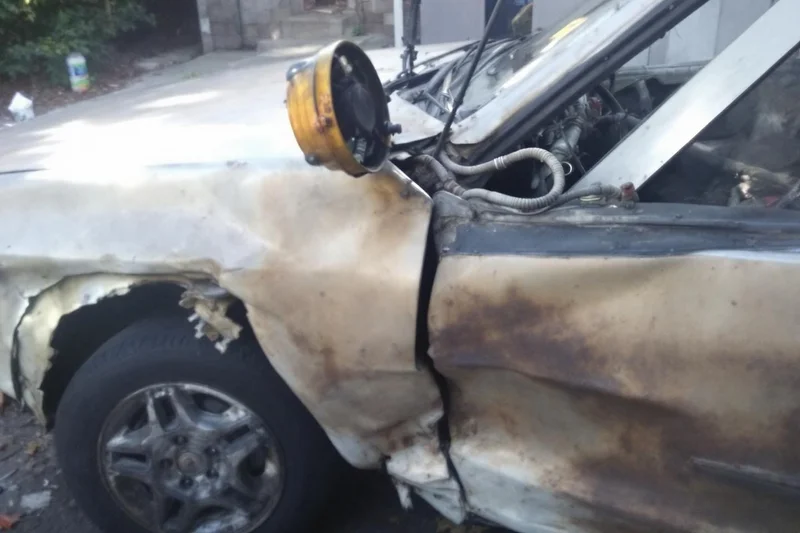
For instance, if a technical inspection on April 10, 2025, uncovers critical defects, repairs must be completed and the vehicle re-presented by June 9, 2025. However, the report is only valid for circulation until April 10, 2025, necessitating vehicle immobilization after this date. This rule compels drivers to arrange for alternative transportation, whether through public transit, an electric bike, or ridesharing services. Additionally, transport of the vehicle to the garage must be planned, either via towing or at the risk of incurring a fine for unauthorized driving.
Critical defects involve vital safety components: completely failed brakes, compromised steering, significant fuel leaks, or serious structural issues with the chassis. Such situations often arise in older vehicles or those that have sustained unaddressed damage. The financial implications can be considerable, especially when towing fees are added to repair costs. In some cases, an assessment of whether the repairs are financially justifiable compared to the vehicle's value becomes necessary. This consideration often includes evaluating essential auto insurance guarantees, particularly when contemplating vehicle replacement.
Understanding Deadlines and Organizing Repairs
| Type of Defect | Repair Deadline | Driving Allowed | Report Validity | |------------------------|-----------------|-------------------------------|------------------------------| | Major Defects | 2 months | Yes, until the deadline | Full 2 months | | Critical Defects | 2 months | Day of inspection only | Day of inspection |
It is essential to anticipate the administrative processes accompanying these repairs. In some instances, specific information like the serial number on the vehicle registration may be needed to order suitable spare parts for the model. This prior organization saves valuable time and prevents unnecessary trips.
A particularly important point to note: if a re-inspection reveals incomplete repairs, the vehicle must be re-presented for verification. The deadline indicated on the initial report remains applicable, and no additional time is granted. This strict rule necessitates ensuring that all repairs have been properly completed before scheduling the re-inspection.
Consequences of Missing Deadlines
Failing to adhere to the two-month deadline exposes drivers to significant administrative and financial penalties. This situation places them in violation, with a vehicle whose technical inspection is no longer valid. Law enforcement may issue fines during routine traffic checks, and insurance coverage could be denied in the event of an accident. Such precarious circumstances create legal and financial vulnerabilities that must be avoided.
In recent years, traffic checks have intensified, particularly focusing on vehicles with expired technical inspections. Fines can reach several hundred euros, in addition to immobilization fees if the vehicle poses an immediate danger. For professionals relying on their vehicles for work, these consequences can be even more severe, directly impacting their ability to operate and generate income.
Thus, it is advisable to immediately note the deadline on a calendar and schedule repairs in the weeks following the initial inspection. This methodical organization allows for a smoother management of the situation and alleviates stress associated with tight deadlines. Technical inspection centers can often direct drivers to competent professionals, and some even offer partnerships that facilitate quick handling of vehicles. Regardless, all documents related to completed repairs should be meticulously kept for presentation during the re-inspection.
Test your knowledge on re-inspection deadlines.