Testing SP98 in a Car That Runs Smoothly on SP95
Exploring the impact of using SP98 fuel in a car that typically runs on SP95, including performance observations and cost considerations.
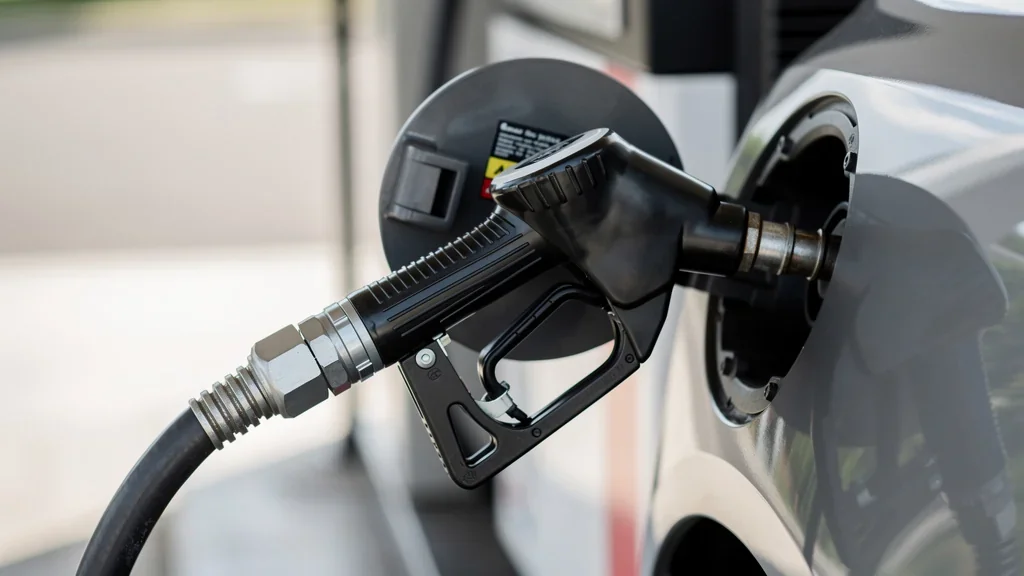
The experience began at the Total Access Futuroscope station, where I filled up with SP98 and immediately noticed a metallic noise from the engine on my drive back up a hill. Initially skeptical, I set out with my partner, without kids, and a fuel budget I was keen to manage. As an automotive journalist for CarBling magazine, I was curious to determine whether this unusual sound warranted the extra expense of a more premium fuel. I aim to clarify who might benefit from SP98 and who might find it unnecessary.
Why I Decided to Try SP98 Despite My Car's Good Performance
I assumed that a pricier fuel would help mitigate the slight rattling sound I noticed under load. My aging sedan runs well day-to-day, but when temperatures rise and the incline increases, that metallic noise becomes apparent. The car idles smoothly, and since I was driving without children, I was particularly mindful of every euro spent at the pump.
I recognized the sound well, typically occurring in third or fourth gear at low revs when I pressed the accelerator halfway. It’s a subtle noise that annoys me, and it tends to get louder in hot weather. While it’s hardly noticeable in the city, it becomes quite pronounced when driving uphill with a warm engine. This detail has caught my attention for some time, as it speaks volumes beyond mere speculation.
My role as an automotive journalist has taught me to reserve judgment based on first impressions. Before filling up, I reviewed my notes and considered other drivers' feedback, waiting for a proper ascent to evaluate the fuel's performance. I found myself practicing what I preach: avoid making conclusions after just a couple of kilometers and refrain from believing that more expensive fuel works miracles.
The First Fill-Up with SP98 and a Technical Surprise
At the gas station, the price difference hit me immediately. The receipt was 4 euros higher than my usual fill-up, which gave me pause. I glanced at the display, capped the tank, and braced myself to see if the engine would respond better or if I had merely increased my expenses. Yes, I had promised myself not to conduct half-hearted tests.
From the first few kilometers, I noticed a smoother idle with fewer vibrations in the steering wheel. It wasn’t anything dramatic—no surge of power or significant increase in acceleration. However, particularly when going uphill with a full load, the engine felt more flexible and less harsh at low revs. This slight improvement was more noticeable once the engine warmed up.
That metallic clatter I had attributed to the road nearly vanished once the engine temperature exceeded 90 degrees during the ascent. It became clear that the key advantage of SP98 lies in its octane rating, which better absorbs minor combustion irregularities under load. While the engine's computer didn’t magically change its characteristics, it did seem less strained. The noise during acceleration at half-throttle diminished, and the steering felt steadier.
I also kept an eye on fuel consumption without deluding myself. The onboard computer showed the same average consumption within 0.1 liters after using SP98. So, no noticeable decrease was observed. On the highway, after 320 km at a constant speed, I thought I might have seen a slight improvement, but nothing that warranted a triumphant declaration. I primarily noted a quieter engine, not a more powerful car.
Doubts and Limitations of This Choice for Daily Driving
After three fill-ups, the financial impact became apparent. I briefly entertained the notion that SP98 would 'clean' my engine, but after three tanks, the only thing that had been cleaned was my wallet. In urban driving, the difference became negligible. Stoplights, short trips, and relaxed driving yielded similar behavior. I found myself paying more for an effect that was hardly perceptible.
One rainy Saturday, I nearly abandoned the idea altogether. The idle was stable, the road was soaked, and the car offered no additional magic. There was no reduction in noise or any striking improvement in acceleration. I glanced at the receipt and felt somewhat foolish. The SP98 fill-up cost more, while my car remained true to form. At that moment, I recognized that a single fill-up test holds little weight.
My experience as an automotive journalist has taught me a simple truth: a well-tuned engine doesn’t transform just because you pour in a more expensive fuel. The electronics manage ignition based on what they receive, but they don’t conjure additional horsepower on command. For a car that already performs well on SP95, SP98 does not provide any visible miracles. I found myself confusing auditory comfort with actual mechanical gain, a common mistake.
My Perspective for Those Like Me
For an older car or a slightly knock-sensitive engine, SP98 makes sense. When the vehicle rattles under heavy load, especially in high temperatures or uphill, the engine becomes quieter and smoother. That’s where I found it beneficial. Engine comfort is crucial, particularly when loaded, with the air conditioning running, and the car feeling strained.
For a vehicle that is used infrequently, I also understand the choice of SP98. After being idle for several weeks, the restart feels more robust with SP98. I wouldn’t label it a magic potion, but I can say that, on a car left in the garage for a month, the first turn of the key felt cleaner. In this regard, I trust my impression rather than any pump promises.
However, if your vehicle runs well on SP95, primarily in urban settings and calm trips, I see no reason to pay extra. The engine won’t become more responsive, yet the fuel bill will increase significantly. That’s where the trap lies. I’ve often wanted to believe that a pricier fuel should yield visible benefits. That’s a misguided reflex.
- I retained SP98 for long, loaded trips before the heat sets in.
- I dismissed the idea of a miracle additive, finding it too vague.
- I prefer a visit to the garage if the knocking becomes clear and regular.
- I can tolerate a slight noise if the car remains healthy on SP95.
- I reserve SP98 for long periods of inactivity, not for city driving.
My Verdict: Who Benefits and Who Doesn’t
Who Benefits
WHO BENEFITS: This is for someone who drives an older gasoline sedan, hears knocking when accelerating at half-throttle, and loads the car for 200 km journeys in 30-degree heat. It’s also for someone who lets their car sit for several weeks and wants a more decisive restart. If you’re willing to pay an extra 4 euros per fill-up to quiet a slightly nervous engine, then SP98 is a reasonable choice. In these scenarios, the quieter engine, smoother idle, and slight improvement uphill are noticeable. I’m not talking about a transformation, but rather a tangible improvement in engine comfort that I keep in mind for long trips or extended periods of inactivity.
Who Doesn’t Benefit
WHO DOESN’T BENEFIT: This is for someone who primarily drives in the city, covering 12 km daily, with a newer car that already runs smoothly on SP95. It’s also for someone seeking more power without any other changes or someone who is already watching their fuel budget closely. In these cases, I’d advise against it without hesitation.
SP98 isn’t worth it if you expect a significant gain from an engine that has no particular issues. The car won’t change dramatically, but the fuel costs will certainly rise with each visit to the pump. At the Total Access Futuroscope station, my opinion remained consistent after several tests: I reserve SP98 for specific situations, not for everyday use. My conclusion is to choose SP98 only for a knock-sensitive vehicle, a loaded trip, or a long inactivity period, while sticking to SP95 for the rest of the time.