The ID. Polo – Auto Blog from Experience 🚗🚙
The ID. Polo is Volkswagen's new all-electric compact car in the Polo class and is considered the official successor to the classic Polo in the electric age.
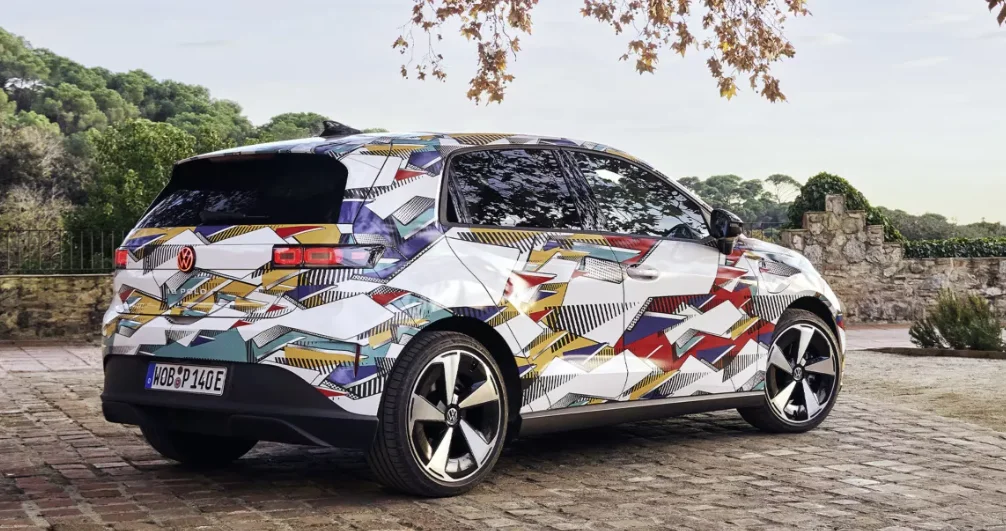
The ID. Polo is Volkswagen's new all-electric compact car in the Polo class and is considered the official successor to the classic Polo in the electric age. Developed on a streamlined MEB-Entry or MEB+ platform, the ID. Polo aims to be an affordable entry into the ID family, making electric driving accessible to a broad audience.
What the ID. Polo Is
The ID. Polo is a compact, five-door electric Polo that combines the familiar format of the Polo with a modern, all-electric drive. Initially announced as the ID.2 or ID.2all study, it was later renamed the ID. Polo to bridge the gap to the well-known Polo series. The vehicle is based on an entry-level version of VW's electric platform, is front-wheel drive, and specifically targets the compact car segment below the ID.3.
Visually, the ID. Polo remains true to the Polo concept: compact exterior dimensions, short overhangs, good visibility, and a practical interior. At the same time, it adopts the design language of the ID family, such as a closed front end, LED light signatures, and a clearly defined, aerodynamically optimized body design. Inside, VW features a new digital cockpit with a large central display, simplified operating logic, and a significantly more modern feel compared to the previous combustion engine Polo.
Who the ID. Polo Is For
The ID. Polo primarily targets price-conscious buyers looking for a compact city car with all-electric drive. Typical target groups include urban commuters, young families with a primary or secondary vehicle, and existing Polo owners who wish to retain the familiar vehicle size while transitioning to electric drive.
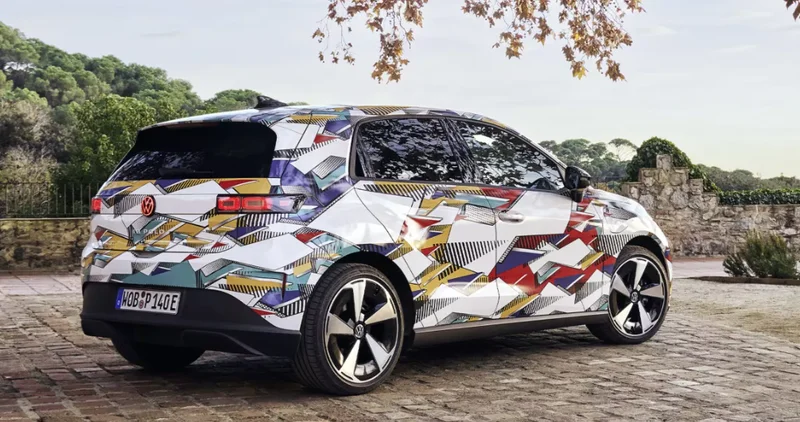
The ID. Polo – the Electric Polo – Image: Volkswagen
For city drivers, the ID. Polo offers a base version with around 300 km of practical range, easily covering daily commutes and typical everyday journeys. Frequent drivers or users with regular longer highway trips benefit from the more powerful variants with larger batteries and up to about 450 km of range, making the car suitable for long distances. Additionally, VW positions a sporty GTI version aimed at performance-oriented drivers, transferring the GTI tradition into the electric Polo class.
The ID. Polo is also appealing to fleet operators, car-sharing providers, and subscription models, as it combines relatively low entry prices with modern technology and manageable operating costs. Within the ID family, the ID. Polo fills the gap between very affordable entry-level electric vehicles like the planned ID.Every and the larger models ID.3, ID.4, or ID.5.
Technical Data Overview
Specific production data varies by source and final configuration, but the communicated key figures paint a fairly clear picture.
- Platform: MEB-Entry / further developed MEB+ with front-wheel drive, designed for compact electric vehicles.
- Drive:
- Base: Electric motor with approx. 100 kW power (around 136 hp) and front-wheel drive.
- Mid-level: up to about 150 kW (around 204 hp).
- GTI variant: over 150 kW, with a particularly sporty setup.
Batteries and Range:
– Small battery: around 38 kWh usable capacity for about 300–320 km range according to WLTP.
– Large battery: around 56 kWh for up to approx. 450 km WLTP range.
Charging:
– AC charging at home and at public charging stations (specific kW values are expected to vary by equipment).
– DC fast charging is standard; the MEB+ platform is designed for higher charging capacities than previous ID models.
Performance:
– The base version is expected to have practical acceleration values, typical for compact cars (specific 0–100 km/h figures vary by source and are not yet confirmed).
– The stronger variants, especially the ID. Polo GTI, are expected to be significantly more dynamic and cater to the Polo GTI clientele.
Dimensions and Space:
– The format clearly aligns with the previous Polo, remaining classically compact but with effectively utilized interior space thanks to the electric platform.
– The flat battery in the underbody and the absence of a center tunnel create a comparatively generous interior for a compact car.
Equipment, Assistance, and Infotainment
Despite its role as an entry-level model, the ID. Polo is expected to offer a high level of technology. The cockpit features a large, centrally located infotainment display (up to about 13 inches), combined with a fully digital instrument cluster behind the steering wheel. The menu navigation has been revised compared to earlier ID models to allow for more intuitive operation with clear menus, physically more accessible controls, and faster responses.
The new Assistant IDA with online functions is announced as a voice control system, capable of handling navigation, media, climate control, and other vehicle functions. Optional features include an AR head-up display and additional comfort features such as seat heating, optional massage seats in the front, and a flexible rear bench with a movable seat surface.
In terms of assistance systems, the ID. Polo draws from higher classes: Travel Assist with partially automated driving, Park Assist Plus with memory function (remembers parking maneuvers), 360-degree camera “Area View,” lane-keeping assistant, emergency braking assistant, and other systems are expected to be available. Thus, the ID. Polo positions itself as a modern compact car that is safety-wise on par with larger vehicles.
VW plans several equipment lines, with at least three variants confirmed in previews. Names and specific package contents will be announced only at the final order start, typically ranging from a rather basic configuration to a comfort-oriented line and a sporty setup.
Prices and Market Launch
A central point regarding the ID. Polo is the price: VW communicates an entry “from around 25,000 euros” or “under 25,000 euros” for the base version. This places the ID. Polo significantly below the ID.3 and within striking distance of competitors like the Renault R5 or BYD Dolphin. However, industry reports suggest that the very affordable base version may not be available at the market launch in 2026, with initially better-equipped, more expensive variants being offered.
In dealer circles, there is talk of a configuration start from April 2026, with first models featuring a larger battery and around 155 kW of power potentially costing “significantly over 25,000 euros,” partly with prices starting from about 27,000–30,000 euros. The advertised entry version with a simpler, more cost-effective battery type and lower range is expected to be introduced later to meet the price announcement of around 25,000 euros. This follows VW's strategy to initially sell higher-margin variants and only realize the absolute entry price once production and economies of scale take effect.
Official manufacturer pages emphasize that the ID. Polo is still in the stage of a production-near study and is not yet formally orderable as a production vehicle. Nevertheless, the technical key figures, market positioning, and price range are already quite clearly outlined: the ID. Polo is set to become Volkswagen's first all-electric compact model in the Polo class, combining familiar Polo qualities with modern electric technology and an attractive entry price.
In this way, the ID. Polo clearly demonstrates where the classic compact car is heading in the electric age: away from being just a city runabout towards a fully-fledged everyday car that remains financially accessible but plays in a whole new league in terms of technology, safety, and connectivity.